Why Does My Dog Shed So Much?
The hair is everywhere.
The hair is everywhere.
by Dr. Bartley Harrison, DVM, | September 13, 2024
iStock / smrm1977
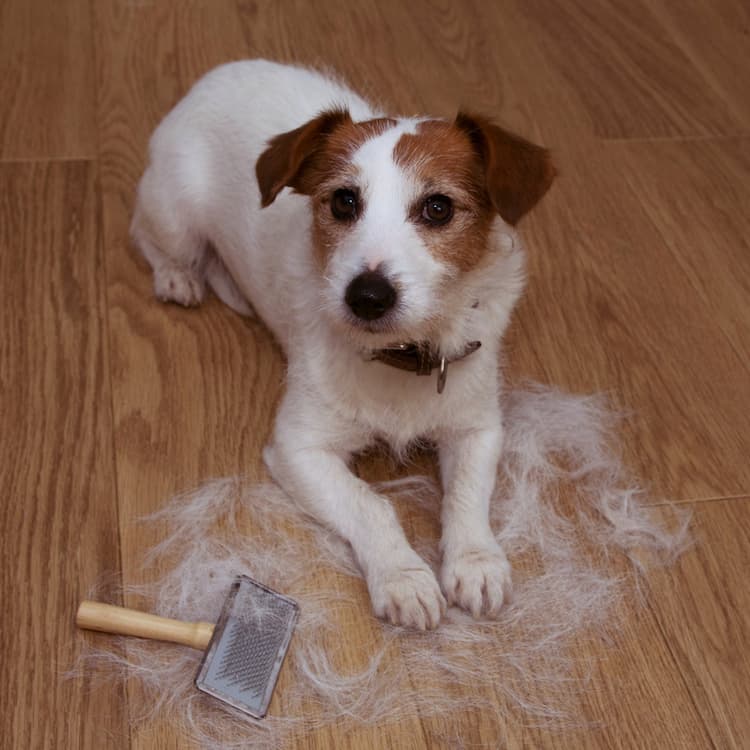
Excessive shedding in dogs is caused by various factors, including breed, parasites, seasonal changes, diet, and overall health. While some shedding is normal, understanding the causes of heavy shedding can help you better manage your furry friend’s coat and identify potential health concerns.
Shedding hair is a normal part of being a dog, and dogs don’t mind leaving reminders of this fact all over their parents’ clothes, furniture, and floors. Dogs shed because their hair is continuously cycling through growth, maintenance, and loss phases. Old hairs fall out, and new ones grow to replace them.
This cycle happens continuously for many dogs, but there are often seasonal upticks in hair loss to help adjust for changing temperatures. In healthy dogs, there are hairs in various phases all over their body. Keeping the loss and growth of hair evenly distributed helps to prevent bald or thin patches. But some factors or conditions can lead to a dog molting excessively.
Excessive shedding can be a little subjective. Parents of German Shepherds expect hair tumbleweeds throughout the year, while Poodle parents might be surprised by a light sprinkling of loose hair. If your dog’s coat and skin appear healthy (no thinning or bald patches, itchiness, dull appearance, discoloration, or weird odors), then the amount of shedding you’re seeing is likely appropriate for your dog.
Over time, you’ll come to know how much shedding to expect and spot if your dog is shedding more than usual. Some factors that affect the amount of shedding include:
Some dog breeds shed more than others, and there are individual variations within those dog breeds. Some low-shedding breeds include:
Poodle
Bichon Frisé
Shih Tzu
Lhasa Apso
Yorkshire Terrier
Airedale Terrier
Dachshund
Dogs with double coats (like Huskies, Shepherds, and many retriever breeds) shed more consistently. Hairless dogs don’t shed at all (obviously), but can be prone to skin issues and leaving greasy spots wherever they lay.
Some dogs are seasonal shedders. They will grow thicker coats for the cold winter months, then shed them in the spring in preparation for a warm summer. A second wave of shedding occurs in the fall, when short summer hair is replaced by a longer winter coat.
Skin and coat health are closely related to nutrition. Dogs fed diets that don’t provide adequate protein, essential fatty acids, zinc, or fat-soluble vitamins can have hair that is dull, brittle, or easy to pull out. This can result in bald or thin patches that don’t regrow appropriately.
Allergies, endocrine diseases, intestinal problems, and internal or external parasites can all result in hair loss and shedding. Recognizing these issues early can help to prevent serious complications.
Although excessive shedding may not seem like a big deal, major changes in the appearance of your dog’s coat could indicate a health problem. Talk to your veterinarian if you feel that your dog is shedding abnormally or if you notice areas with thin or absent hair. Your vet can help to work through possible causes to make sure that there’s not an underlying disease causing these changes.
One of the most common causes for hair loss in dogs is allergies. Dogs can be allergic to anything they encounter, including food, fleas, insects, pollen, and dust. Dogs with allergies are often itchy and may have skin inflammation accompanying changes to their hair coat.
Primary skin diseases may result in hair loss as well. Some of these conditions are autoimmune and unpredictable, causing transient hair loss that clears up on its own with time. Others can be more serious and require treatment to resolve.
Endocrine issues are a common cause of hair loss in dogs. Some common diseases that can affect a dog’s hair coat and shedding include:
Cushing’s disease (hyperadrenocorticism)
Addison’s disease (hypoadrenocorticism)
Sex hormone changes can also affect hair loss. Some intact female dogs will have changes to their hair coats due to their heat cycle or pregnancy. High estrogen levels will cause hair loss, while low estrogen levels result in excessive hair growth.
Even dogs fed an appropriate diet can develop problems with their coats due to poor nutrition if they’re unable to absorb the food properly. This can happen with infiltration of the intestines due to inflammation or cancer, short bowel syndrome (if a significant length of intestine is removed due to injury), or pancreatic insufficiency.
Internal and external parasites can both cause hair loss and a poor hair coat. External parasites like fleas and ticks can cause itching, allergic skin disease, and loss of blood or nutrients. Internal parasites rob nutrients from the intestines and cause blood loss as well. Inflammation from dermal infections due to ringworm, yeast, or bacteria can damage skin enough to result in hair loss and shedding.
Dogs shed more when they’re stressed. This could be due to a short-term stressor like a vet visit or a longer-term problem like separation anxiety. Extreme stress, like that associated with a serious illness, can even result in telogen effluvium. With this condition, the hair all over the body gets stuck in the retaining phase. When the hair cycle resets, all this hair is lost at once as hair is shed to trigger regrowth.
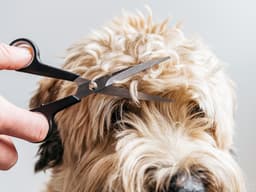
Tools to keep your pup looking so fresh and so clean, from brushes to nail clippers.
Your dog is going to shed no matter what you do. Ways to reduce dog shedding are largely based around controlling when hair is shed, not how much hair is shed. Some ways to help keep your environment relatively free of hair include:
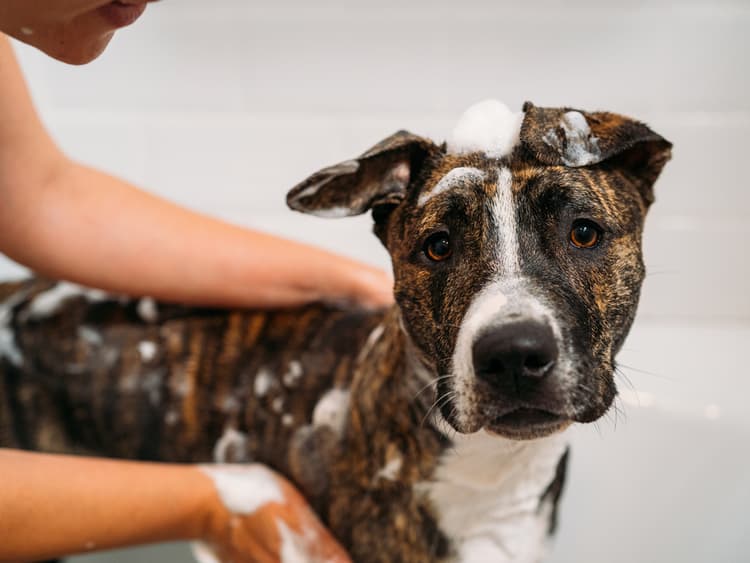
Baths can help to loosen and free hair that is ready to be shed. For dogs that are heavy shedders or have a double coat, regular professional grooming can be a lifesaver. Groomers have equipment available that is very effective at getting rid of clumps of shedding hair before they drop all over your house.
Getting your dog used to being brushed and making brushing a rewarding experience for them pays off for you in less hair on all the things. Brushing removes loose hair before it falls out and helps to spread skin oils around to maintain a shiny coat. There are many styles of dog brushes available, so be sure to research which one is right for your dog’s coat type.
To avoid health issues from poor nutrition, dogs should be fed a diet made to meet the nutritional levels established by the Association of American Feed Control Officials (AAFCO) for their current life stage. Commercial diets should contain an AAFCO statement on their label to let you know they’re nutritionally complete.

Veterinarian Dr. Shea Cox separates fact from fiction when it comes to low-shedding breeds.
If your dog is shedding excessively, treating the root cause of the problem is the best dog shedding remedy. In addition to regular bathing, grooming, and brushing, you can talk to your vet about topical products to help with coat health.
Whether metabolic, parasitic, or intestinal issues are causing your dog’s shedding, getting your dog’s medical problems under control can help them maintain a healthy coat. Monthly heartworm preventatives and flea/tick medications can keep most parasites under control. Managing diseases like diabetes or hypothyroidism can be more complicated but pay off in better overall health for your dog.
For dogs that are stress shedders, maintaining a stable home environment and practicing relaxation techniques may help prevent blowouts. Dogs can actually be trained to calm down on command. Reinforcing a calming cue can help to lessen anxiety. For very anxious dogs or dogs with problems like separation anxiety, medication may be recommended in addition to training techniques.
There are no medications proven to reduce shedding in dogs, but supplements aimed at skin health may help. These supplements often contain omega-3 fatty acids and fat-soluble vitamins A, D, or E. Topical products also can help to maintain a healthy coat and may even help with seasonal allergies.
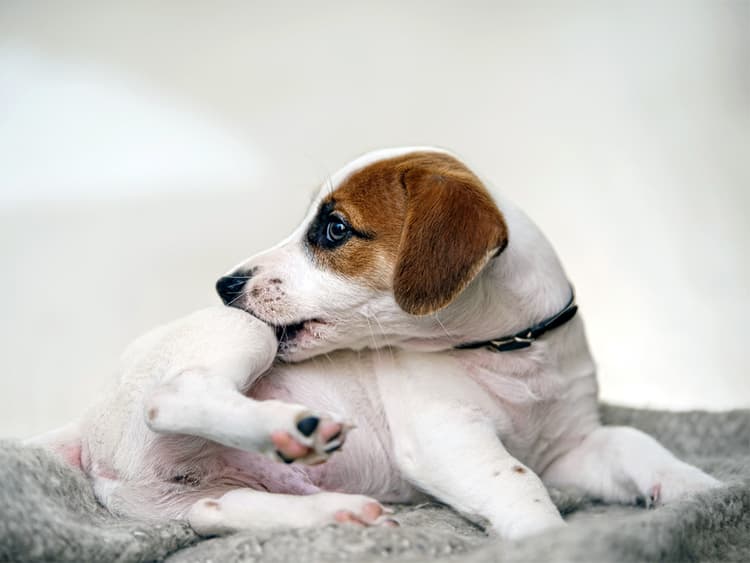
Dogs can be itchy for many reasons, including allergies, fleas, and skin infections. Finding the underlying cause of your dog’s itchiness and treating it at the source is the best way to help your dog’s itching.
Grooming schedules vary widely for different dog breeds and types. Some long-haired dogs, like Pomeranians, need daily attention to prevent mats and tangles, while other dogs can go weeks without needing attention.
WVC 2009: Grooming from the Inside: Skin and Coat Nutrition

Dr. Bartley Harrison is a veterinarian with more than 19 years of experience. He has treated a variety of species in emergency and speciality practices for both large and small animals. His primary interests as a vet are emergency medicine and critical care.
Pet Wellness
Pet Wellness
Pet Wellness
Pet Wellness
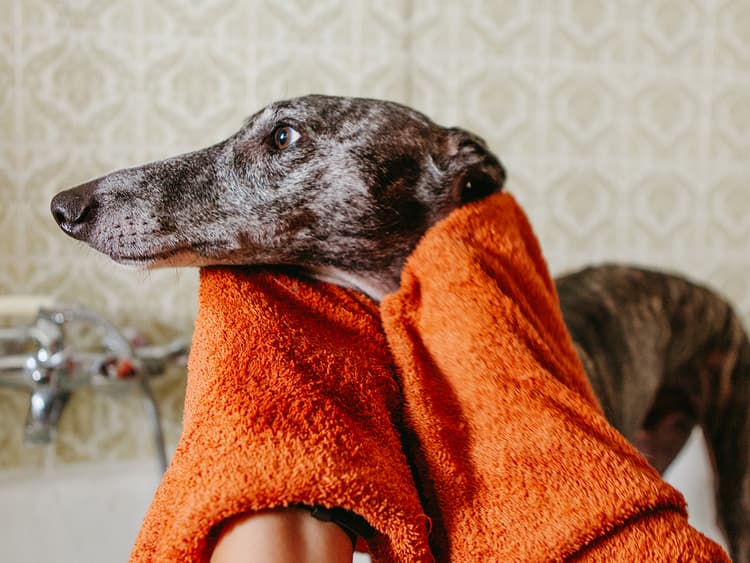
Keep your dog well-groomed but trust trims to the pros.
Pet Wellness
Well, there’s some bad news and some good news with this one.
Pet Wellness
“If your dog is stinky or looks dirty, wash ’em!” Plus more pro tips from LA dog groomer Jess Rona.