Can Dogs Eat Chicken Nuggets?
Why you should think twice before you give in to your begging dog’s temptation.
Why you should think twice before you give in to your begging dog’s temptation.
by Dr. Shelby Neely, DVM, | August 3, 2026

dtephoto / iStock
Dogs can eat chicken nuggets, but shouldn’t. Although chicken nuggets are not inherently toxic in small amounts, they are not recommended due to their high levels of salt, unhealthy fats, and (possibly) seasonings such as onion or garlic powder, which are toxic to dogs.
Although chicken nuggets aren’t toxic in small amounts, they are essentially junk food for dogs and offer little nutritional value.
Serious illnesses such as pancreatitis, obesity, and long-term health issues can occur due to the combination of high sodium, saturated fats, and processed ingredients.
Chicken nuggets may be seasoned with onion and garlic powder, which, even in small amounts, are toxic to dogs.
Feeding a dog fried foods regularly can lead to chronic conditions, especially in seniors or small-breed dogs.
Plain, boiled chicken or homemade treats are safer alternatives because they provide protein, an important part of canine nutrition, without the risks associated with other options.
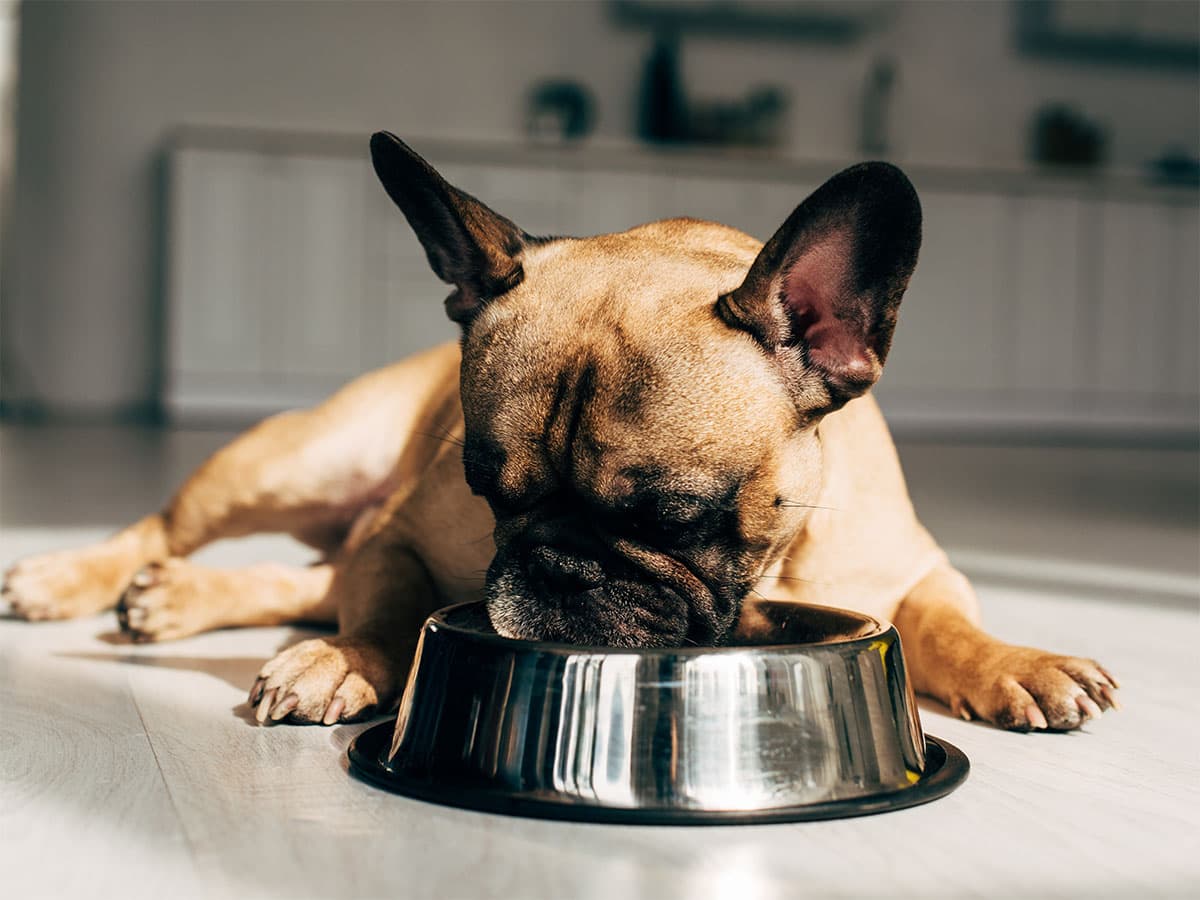
LIGHTFIELD STUDIOS / AdobeStock
There’s a difference between toxic and safe. Chicken nuggets are technically not toxic, especially if your dog only eats one. But that doesn’t mean they’re safe.
First, let’s answer the question: Can dogs eat chicken? The answer is yes, if the chicken is boiled without added fats, salt, or flavorings. That is, of course, if your dog is not allergic to chicken. According to the Merck Veterinary Manual, chicken is one of the main foods dogs can be allergic to.
Chicken nuggets are different from plain, boiled chicken. They are categorized as processed meat. That means breading, preservatives, additives, and frying have altered them. Fried food for dogs is never a good idea. Chicken nuggets are modified and nutritionally unbalanced, which makes them different from plain chicken. This is covered in more detail in this guide, “Can dogs eat chicken?”
Due to the size difference between a person and a dog, the margin for error is much smaller. What is simply junk food for people and can cause no immediate harm can be a real medical issue for dogs.
Another factor to consider is how nutritionally inconsistent chicken nuggets can be. Plain chicken is a single-ingredient protein source, so you know what you’re getting each time. But nuggets can vary widely in composition depending on the restaurant or manufacturer. Some are made from whole-muscle meat, but others may use mechanically separated chicken combined with starches, binders, and flavoring agents.
This makes it difficult to know how your dog will respond. One nugget may have very little seasoning and be relatively mild, while another could be very high in sodium, fat, or additives. If your dog has a sensitive stomach, a food intolerance, or an underlying condition, the inconsistency makes it difficult to control the risk of digestive upset.
Ingredient density is another issue. Nuggets tend to be compact and calorie-dense, so even a small portion can give a concentrated dose of fat, salt, and processed carbohydrates. When we look at a chicken nugget, it looks like a very small treat to us. But for a dog, especially a smaller breed, it can be a disproportionately large dietary load. One nugget will probably not cause any problems, but frequent nuggets or other processed foods can shift the overall nutritional balance in the wrong direction.
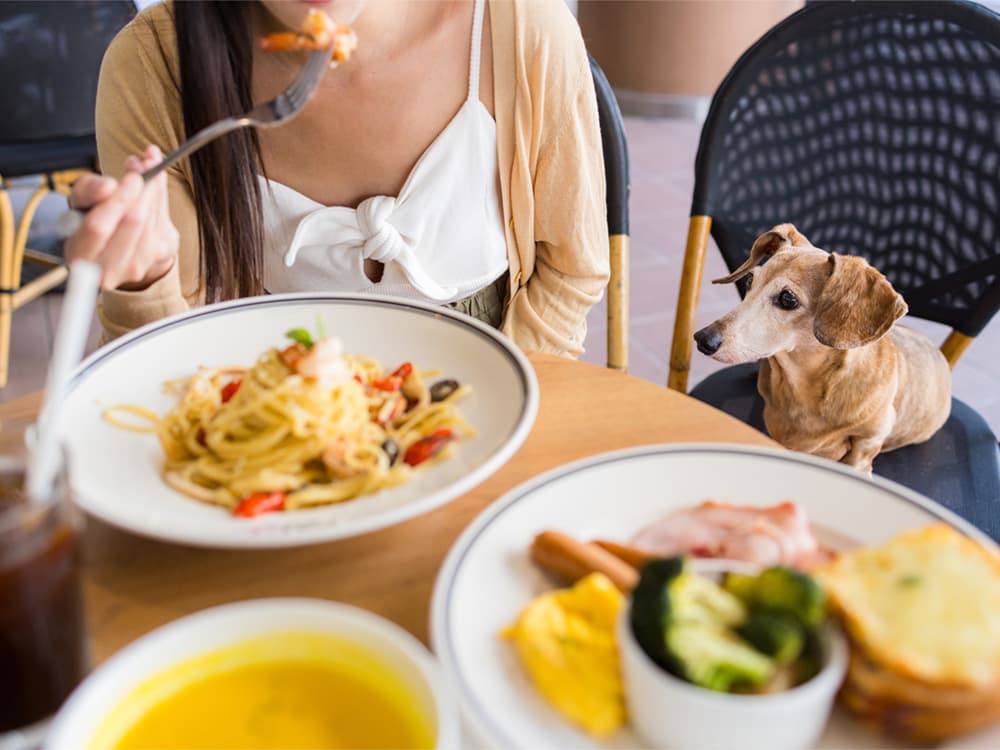
leungchopan / AdobeStock
Chicken nuggets are very high in salt, much more than dogs need. For example, one fast-food nugget can contain 100 to 200 milligrams of sodium. If you have a small dog, that could be a significant portion of their overall daily sodium allowance. The problem with dogs ingesting excess sodium is that this can lead to:
Increased thirst and urination
Dehydration
Sodium ion poisoning
The way a dog processes salt is not the same as the way a human does. Even ingesting a very small amount of salt can stress a dog’s kidneys and cardiovascular system.
Dogs also lack the ability to tolerate sodium fluctuations in the way people do. Based on what their ancestors ate, they are used to a more consistent intake. If you suddenly offer several salty foods at once, the sudden increase in sodium can affect fluid balance more quickly. In addition to causing acute symptoms, if this happens chronically, elevated sodium can contribute to:
Increased workload on the kidneys
Subtle increases in blood pressure
A greater strain on the cardiovascular system
If you have a senior dog or one with underlying kidney or heart disease, this can be a particularly serious problem. These dogs should be kept away from even a modest excess of sodium, or their conditions can worsen.
Not only are chicken nuggets high in fat, but they are high in the wrong kind of fat: saturated fat. They’re also prepared using methods that make it difficult for a dog’s body to digest them.
Most nuggets are deep-fried in industrial oil, often at very high temperatures, and the oil is even reused multiple times. This process can promote inflammation by altering the chemical structure of fats, resulting in oxidized lipids and the formation of breakdown byproducts.
When your dog consumes fatty food like a chicken nugget, a hormone such as cholecystokinin tells the pancreas to release digestive enzymes. That would be normal and not a problem in a healthy situation. But if the fat load is excessive, it can overwhelm the pancreas. This increases the risk of pancreatitis in dogs.
Pancreatitis results from the premature activation of digestive enzymes. In plain language, it essentially causes the pancreas to begin digesting itself, with one common trigger being a high-fat meal. This happens especially when the meal is:
Rich in saturated fats
Cooked in oils
Fed suddenly or in large amounts
Another thing that can happen after your dog eats fatty foods: They can develop postprandial lipemia, a spike in blood triglycerides. If your dog is particularly small, overweight, or has an underlying metabolic issue, this event can interfere with normal processing and add to inflammation.
Certain dogs are particularly prone to this:
Miniature Schnauzers
Overweight or sedentary dogs
A dog with a history of pancreatitis
The quality of frying oil is also a concern. If oil is heated repeatedly over the course of a day, as many fast-food restaurants do, this can lead to lipid oxidation. This reduces the food’s nutritional quality and increases compounds associated with oxidative stress.
Other problems can occur even if your dog doesn’t develop full pancreatitis. If they regularly consume fatty fried foods, this can lead to:
Chronic low-grade inflammation
Weight gain
Digestive instability
So risks lie not just in the amount of fat in chicken nuggets, but also in the metabolic impact caused by their method of preparation.
The addition of certain seasonings causes chicken nuggets to move from being unhealthy to potentially dangerous, even toxic. Many nuggets purchased from restaurants or fast-food chains are seasoned with onion powder, garlic powder, or both. These are toxic foods for dogs. Consuming them may lead to Heinz body anemia by damaging red blood cells. This condition can develop gradually, especially if you’re repeatedly offering your dog chicken nuggets.
Symptoms include:
Weakness
Pale gums
Rapid breathing
Dark colored urine
Collapse, in severe cases
The tricky thing about this condition is that it doesn’t take a large dose to be toxic. Powdered forms of toxic seasonings are more concentrated than fresh ingredients, and labels don’t often list exact quantities. This means that even a small amount can add up over time.
Another danger is that the ingredients may not be labeled as garlic or onions, but instead be called natural flavors or seasoning blends. And you may not realize your dog has been exposed to something dangerous until symptoms develop.
Onion and garlic-based toxicity is dose-dependent and cumulative, so small gestures such as sharing a table scrap occasionally or your child accidentally dropping a nugget here and there can be as dangerous as your dog eating it a lot at once.
Part of what makes chicken nuggets enjoyable to humans is their crispy coating. Unfortunately, that coating is made from refined carbohydrates and fillers, which have no nutritional benefit. For a dog, these empty calories can lead to:
Weight gain
Obesity
Blood sugar fluctuations
Nothing in chicken nuggets supports a dog’s muscles, immune functions, or overall health.

Mediteraneo / Adobe Stock
If your dog sneaks a chicken nugget, the symptoms will be either nonexistent or mild and can include:
Vomiting
Diarrhea
Gas or bloating
Temporary lethargy
Even for dogs who show no obvious symptoms, chicken nuggets can be harmful. It’s also important to know how many nuggets were eaten and over what period. If your dog is basically healthy and medium to large in size, a single nugget probably won’t cause a problem. Problems become more likely when:
Several nuggets are consumed.
The dog is small.
Your dog has a sensitive digestive system.
The nuggets are spicy or heavily seasoned.
Your dog has a history of pancreatitis.
If your dog consumes several nuggets at one time, you should monitor them closely for 24 to 48 hours. Watch for:
Repeated vomiting
Diarrhea that persists beyond 24 hours
Signs of abdominal pain
Decreased appetite
If you know your dog ingested onion or garlic and you see any of these symptoms, contact your veterinarian or pet poison helpline.
More severe problems develop when your dog is repeatedly exposed to chicken nuggets. Over time, nuggets can contribute to:
Chronic heart disease
The cumulative effect of high-fat, high-sodium treats is the issue. Although a single nugget isn’t the problem, repeated exposure can lead to chronic disease, especially in senior dogs.
McNuggets are heavily processed and contain:
Preservatives
Flavor enhancers
Added sodium
They are also high in fat content, because they are fried in oil. That’s a lot of negatives for a dog.
These fast-food chain offerings are no better than McDonald’s chicken nuggets. In fact, they may be somewhat worse due to trace amounts of onion or garlic powder, which increases the risk of toxicity. They often use:
Seasoned breading
Added sugars
Preservatives and stabilizers
You’re probably starting to get the picture. Fast food chicken nuggets are not good for your dog.
Also remember that fast food nuggets are not designed for nutritional value, but for maximum flavor and consistency. If you like McDonald’s Chicken McNuggets, for example, you expect them to taste the same every time you go there.
This means consistently:
Higher sodium levels to enhance taste
Stabilizers and emulsifiers to maintain texture
Preservatives to extend shelf life
Some chains have their own proprietary seasoning blends that aren’t labeled as having onions or garlic, but they may contain hidden ingredients that could be very dangerous for your dog.
Another consideration is portion size. Fast food restaurants tend to offer larger servings than what a dog needs. If you share even a few nuggets from your meal, you can quickly give your pup too much fat and sodium, especially if they’re a small dog.
Nuggets may also be served with fries or dipping sauces, which add even more salt, fat, and potentially harmful ingredients to your dog’s diet. If you’re wondering if dogs can eat french fries, the same answer applies. Your dog could have a french fry if it’s absolutely plain, with nothing added and was cooked without oil — but that’s never the case.
It saddens most pet parents to refuse their dogs a bite, while eating chicken themselves, as their dog sits there with those big, beautiful eyes looking at them. The good news is that you don’t have to say “no” altogether. You just have to choose healthy options. Healthy alternatives focus on simple preparation, minimal ingredients, and appropriate fat levels. The following are some examples.
When your veterinarian tells you to give your dog chicken, they mean a plain, unseasoned, boiled chicken breast. The reason that’s acceptable for your canine is that it comes:
Lean and low in fat
With no added sodium
Easy to digest
Rich in high-quality protein
You will often be advised to give boiled chicken to your dog as a:
Bland diet when your dog is vomiting or has diarrhea
Recovery diet after an illness
Food elimination trial, trying to pinpoint food sensitivities or allergies
The chicken preparation matters greatly. To keep it safe for your dog:
Use skinless, boneless chicken breast
Boil it in plain water
Do not add seasoning, oils, or salt
Let it cool before serving
Your dog’s size determines portion size. According to the ASPCA, if you just want to give your dog a treat, give them a small, bite-sized piece. This is not meant to replace a balanced diet.
Chicken nuggets aren’t inherently bad for your dog. It’s all in the ingredients and how they’re prepared. If you prepare them at home, you can have complete control and ensure they are perfectly healthy for your pup.
Here’s a simple way to do this:
Cut a chicken breast into small chunks.
Dip lightly in beaten egg (optional).
Coat with finely ground oats or whole grain crumbs.
Bake at 350 degrees Fahrenheit until fully cooked.
This non-fried method avoids excess fat, added salt, and preservatives. Your dog still gets the nugget experience, but without the health risks. These nuggets can be useful as training treats, occasional snacks, and high-value rewards.
If you choose carefully, dehydrated chicken jerky can be a convenient alternative. Look for products that are:
100 percent chicken
Free of additives, salt, or flavoring
Sourced and manufactured with quality control
By dehydrating treats, you preserve protein by removing moisture, thus creating a chewy texture that dogs like. The finished product is more calorie-dense than fresh chicken, so you need to serve them in moderation.
This is another way you can serve chicken to your dog, while retaining much of the raw meat’s nutritional value without requiring refrigeration. Benefits include:
Minimal processing
High protein content
Long shelf life
These healthy dog treats can be used for training, as food toppers, and during travel. Simplicity is key. The fewer ingredients, the better.
Treats should make up no more than 10 percent of your dog’s daily calories, and the rest should come from a complete and balanced diet. Stay away from large portions or replacing an entire meal with treats. Don’t mix treats with high-fat foods.
The suggested alternatives, above, are healthier because they contain no hidden sodium, avoid harmful seasonings, limit fat content, and provide clean, digestible protein. And the great thing is your dog won’t know the difference. To them, chicken is chicken. Extra salt breading and frying were designed to make them tastier for humans, not canines.
Preparing your own chicken options for your dog also allows you to control portion size and frequency, not just ingredients. Consistency is particularly important for dogs with:
Food sensitivities
Gastrointestinal conditions
Weight management needs
If you’re feeding your pup clean, minimally processed options, you are less likely to experience unexpected reactions, while still giving your dog something they can really enjoy. By replacing high-fat, high-sodium treats with lean protein options, you can better support:
Weight control
Stable digestion
A reduced risk of chronic disease
Although chicken nuggets aren’t always toxic, they aren’t safe for, or beneficial to, dogs. The salt, fat, processed ingredients, and potentially toxic seasonings (like onion and garlic) put them into a category of foods that your dog should avoid. If you want to share chicken with your dog — and it’s so hard for us not to — stick to simple options. They may sound bland to you, but your dog is going to love them.
Dogs should not eat breading. In fact, breading is the most dangerous part of chicken nuggets. It contains fats, salt, and possibly toxic seasonings. It also offers no benefit and adds unnecessary calories.
One nugget will probably not make a dog sick. Larger breeds, in particular, will most likely not show any reaction after eating one chicken nugget. However, small dogs or dogs with sensitive stomachs may show signs of digestive upset. However, bigger concerns may occur when you give them nuggets repeatedly over time.
Believe it or not, plant-based chicken nuggets can be even worse. They often include highly processed ingredients, additives, preservatives, and toxic seasonings such as onion and garlic. With that in mind, plant-based nuggets are not healthy or safe alternatives for dogs.
Your dog’s digestive tract can certainly be irritated by spicy foods. Eating them may cause vomiting, diarrhea, and drooling. If symptoms are mild and temporary, there may be no cause for concern. However, monitor your pup closely, and contact your veterinarian if symptoms persist. If you know or suspect that onion or garlic were included in a chicken nugget’s ingredients, it’s best to be cautious and consult a veterinarian for guidance.
Cridge, Harry, et al. “New Insights into the Etiology, Risk Factors, and Pathogenesis of Pancreatitis in Dogs: Potential Impacts on Clinical Practice.” Journal of Veterinary Internal Medicine, vol. 36, no. 3, May 2022, pp. 847–864. https://doi.org/10.1111/jvim.16437.
“Jaaha.” Kglmeridian.com, 2026, http://jaaha.kglmeridian.com/view/journals/aaha/50/1/article-p1.xml.
Spice, R N. “Hemolytic Anemia Associated with Ingestion of Onions in a Dog.” The Canadian Veterinary Journal, vol. 17, no. 7, July 1976, p. 181. http://pmc.ncbi.nlm.nih.gov/articles/PMC1697286.

Dr. Shelby Neely is a freelance writer and veterinarian who graduated from the University of Pennsylvania School of Veterinary Medicine and has practiced veterinary medicine for 30 years, specializing in small animals. Her work has appeared in Allivet, AsktheCatDoctor, WhiskerDocs, Ask the Cat Doctor Radio, Ask the Cat Doctor TV, and numerous other websites, brochures, newsletters, newspapers, and ebooks. In her spare time, Dr. Neely likes to spend time with her three children, two grandchildren, three cats, two grand-cats, and five grand-dogs.
Nutrition

Nutrition
Nutrition
Nutrition
In moderation, strawberries are a tasty, healthy treat for your pup.

Nutrition
This healthy snack for humans isn't so healthy for your pup. Here's why it's best to avoid them.
Nutrition
They’re definitely curious about what you’re chopping over there on the cutting board...