12 Dogs Who Look Like Foxes
If you're a fan of the eye-grabbing mammal, check out these dog breeds, from the Shiba Inu to the Finnish Spitz, who offer the look without the wild.
If you're a fan of the eye-grabbing mammal, check out these dog breeds, from the Shiba Inu to the Finnish Spitz, who offer the look without the wild.
by Jackie Brown, | May 11, 2026
Nicolette / Adobe Stock
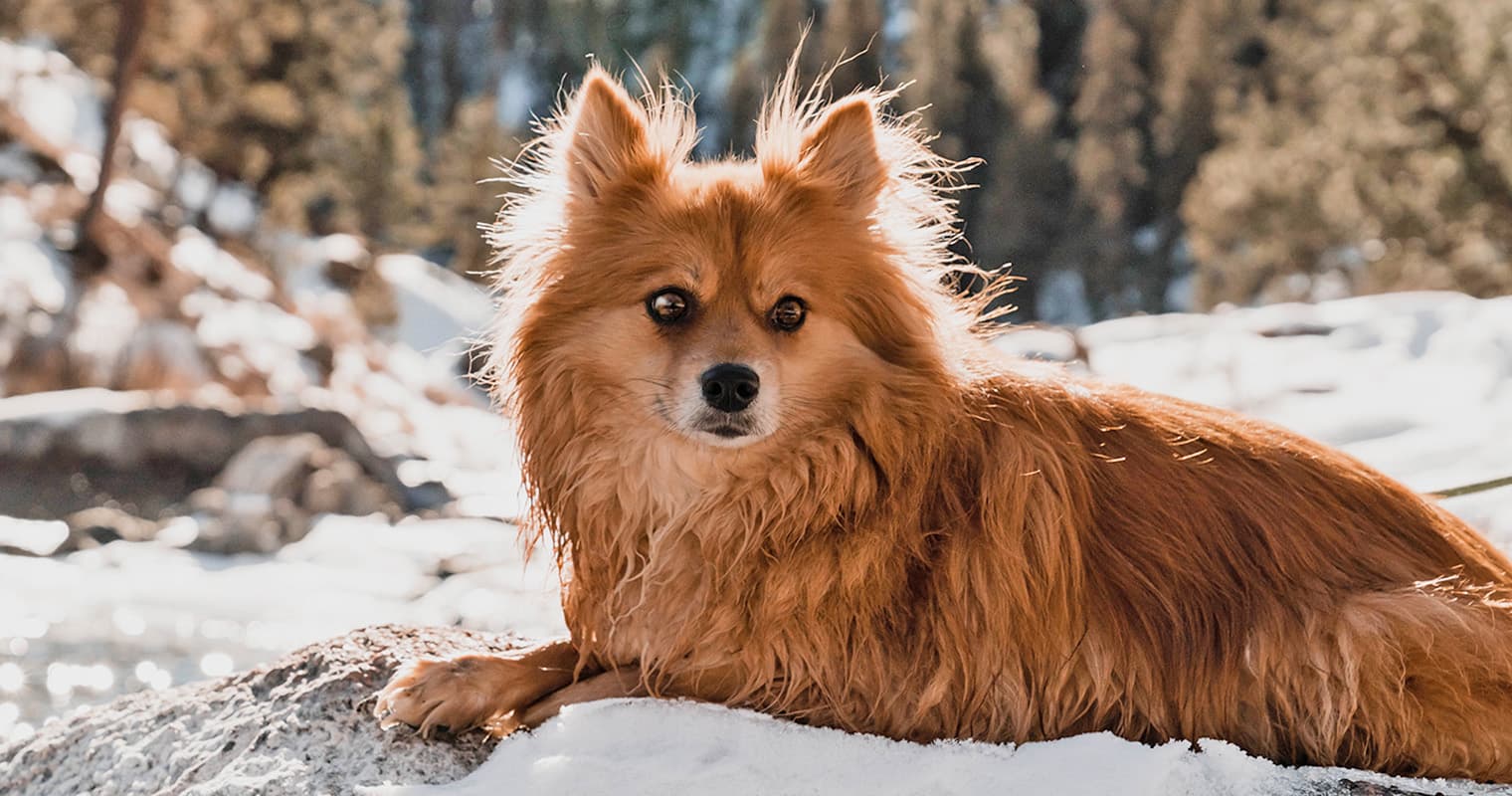
Charming and a bit mysterious, foxes are fascinating creatures. They’re part of the same family as dogs, but the fox’s cat-like movements and behaviors give these small canines a feline feel. If you’re obsessed with foxes, you’ll be excited to discover that some dog breeds look like foxes, but of course, make much more appropriate pets.
Many of the breeds on our list of dogs who look like foxes are spitz breeds. This category of dogs is found in many different parts of the world. They all share physical traits that make them well-suited to living in cold environments and also make them look decidedly fox-like.
The following spitz features give these dogs a foxy feel:
A narrow, tapered muzzle
Small, pointed, erect ears
Almond-shaped, slightly slanted eyes
A thick double coat, often with a ruff of fur around the neck
A bushy tail
Fox-like coloration or markings (in some breeds)
A compact, light, and nimble body
Typical spitz behavior and personality traits can also give off a decidedly foxy vibe.
Spitz-type dogs are often:
Aloof and independent
Alert and watchful
Cunning problem solvers
Highly prey-driven with strong hunting instincts
Clean and cat-like (or rather, fox-like)
Highly vocal, often through unique howls or yodeling
Small spitz-type dogs have features that are especially foxy-looking, especially in colors and patterns seen in wild foxes.
Olga Ovcharenko / Alamy Stock Photo
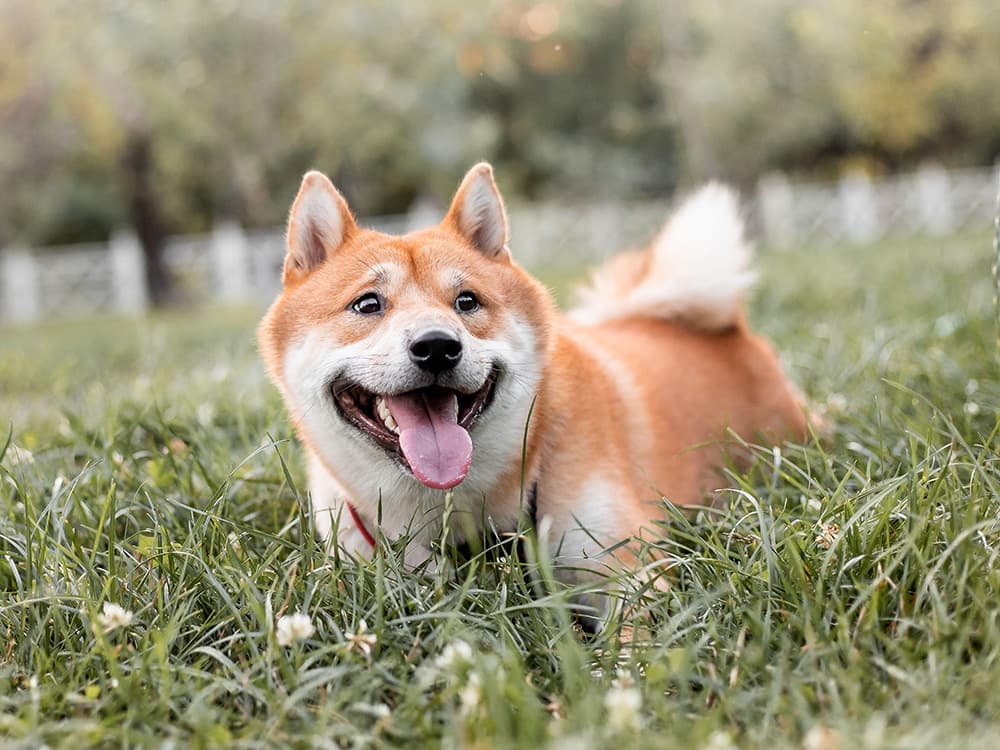
The Shiba Inu ticks all the fox boxes: small size, foxy features including a bushy tail, and a playful but sneaky personality. Although the Shiba Inu comes in three colors (red, black, and sesame), the most common is red — a distinctly foxy hue. The Shiba Inu is a discerning, independent thinker. Much like cats, Shibas are choosy about the people they bestow their affection upon. If you’re the chosen one, it’s a special feeling. This breed is lively and athletic, thriving on daily walks. As charming as they are, Siba Inus can be challenging to live with due to their fiery personalities and selective hearing when it comes to training. Dog aggression and resource guarding are common in the breed. Extensive socialization early in puppyhood is necessary.
Size: 17 to 23 pounds
Coat length: Medium double coat
Standout traits: Alert, independent, and bold
Good with kids? Yes, with older children
KristinaSh / Shutterstock
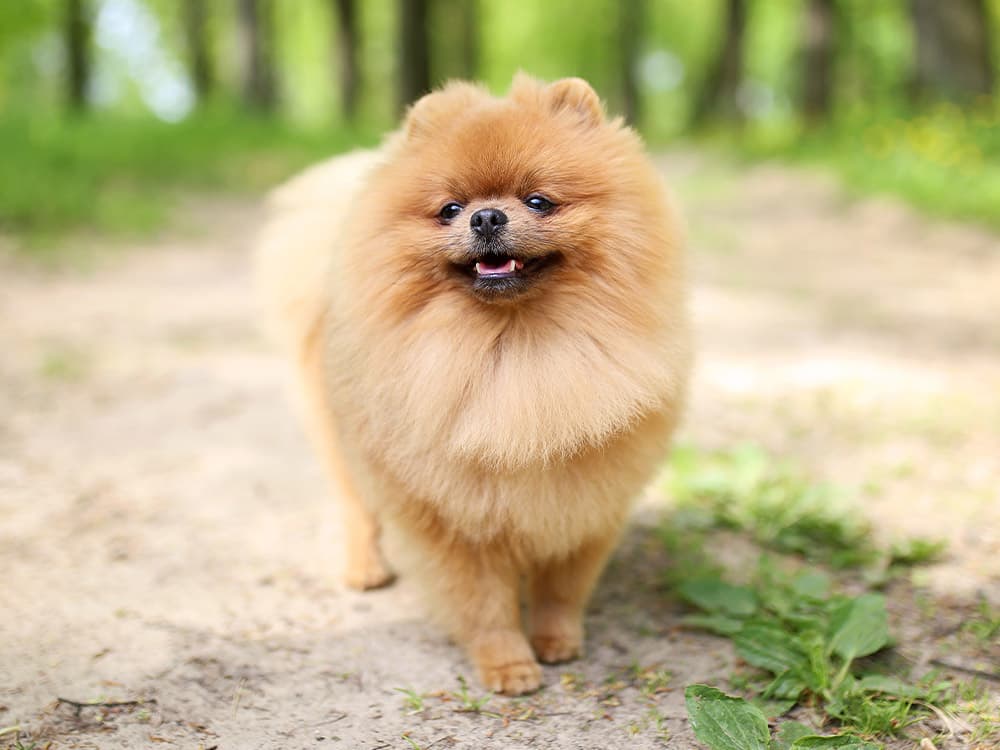
The adorable Pomeranian looks like a tiny, fluffy fox, especially in the popular orange color. Like foxes, this breed is alert, curious, and a touch mischievous, traits that make them enjoyable and endearing pets. Pomeranians can be bold and overconfident — they don’t seem to be aware of their teeny size. It’s important to protect them from larger dogs, boisterous kids, and any other potentially dangerous situations. Pomeranians are intelligent, highly trainable, and easy to exercise, making them great for new pet parents. Their excellent hearing makes them natural watchdogs, but excessive barking can sometimes be a challenge.
Size: Three to seven pounds
Coat length: Long double coat
Standout traits: Spirited, affectionate, and alert
Good with kids? Yes, with older children
Jaroslav Machacek / AdobeStock
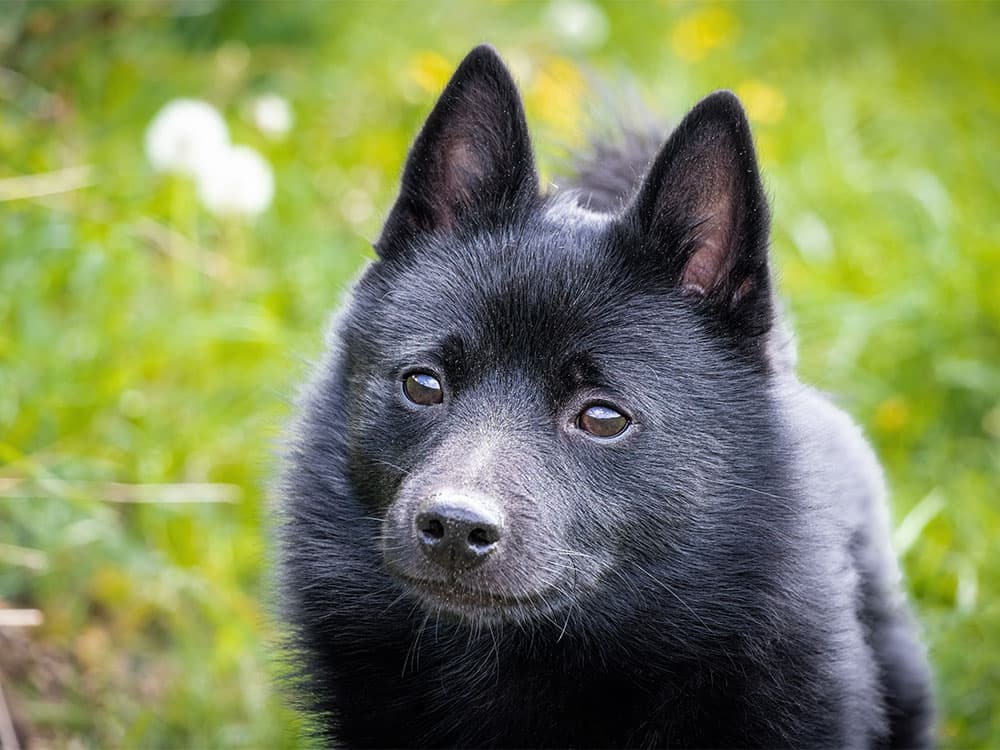
Don’t be fooled by the Schipperke’s diminutive size. This breed is feisty and fearless, traits that made them invaluable watchdogs and ratters in their native Belgium. Though the all-black Schipperke lacks a bushy tail, their other features make them look a lot like the rare melanistic variant of the red fox (sometimes called the black fox). The intelligent, curious Schipperke is an animated and engaged pet who loves being with their human family as much as possible. They’re excellent watchdogs, but barking can be an issue with this breed.
Size: 10 to 16 pounds
Coat length: Medium
Standout traits: Playful, lively, and loyal
Good with kids? Yes, with older children
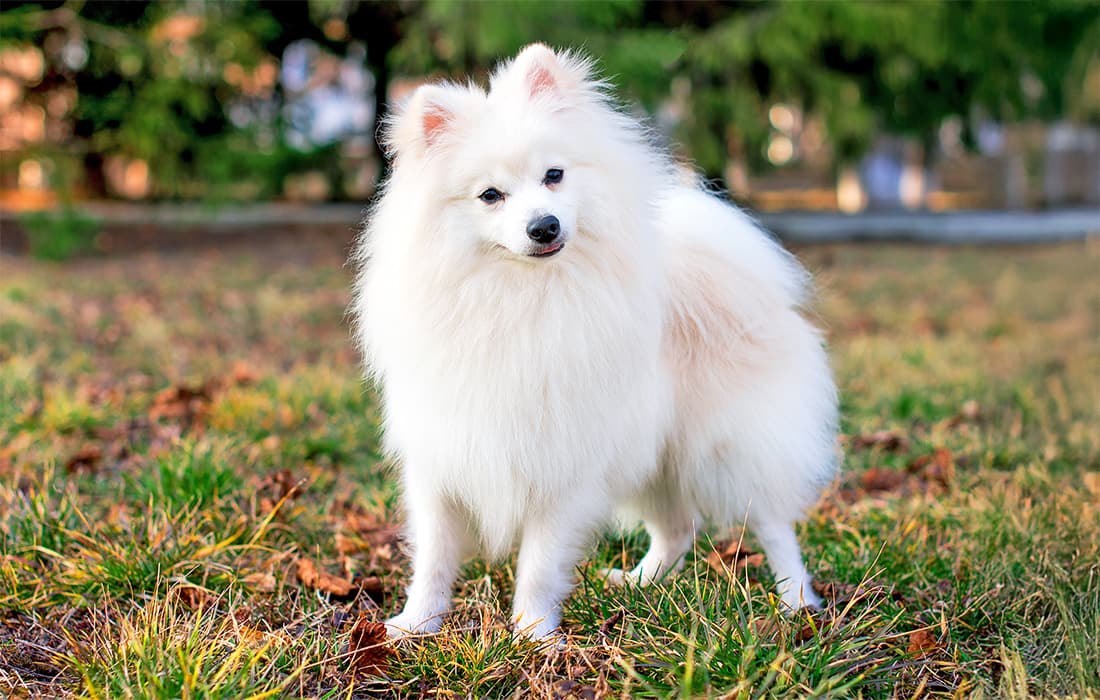
The pure white Japanese Spitz — with its pointed ears, tapered muzzle, and black eyes and nose — looks a lot like an arctic fox. The Japanese Spitz is rare in the United States, but quite common in their native Japan. This breed is smart, affectionate, and happy. Japanese Spitzs are known for being excellent family companions, eager to accompany you on all your adventures. They are easy to train and do well with moderate daily exercise.
Size: 10 to 25 pounds
Coat length: Long double coat
Standout traits: Playful, adventurous, and fun-loving
Good with kids? Yes
blendshapes / iStock
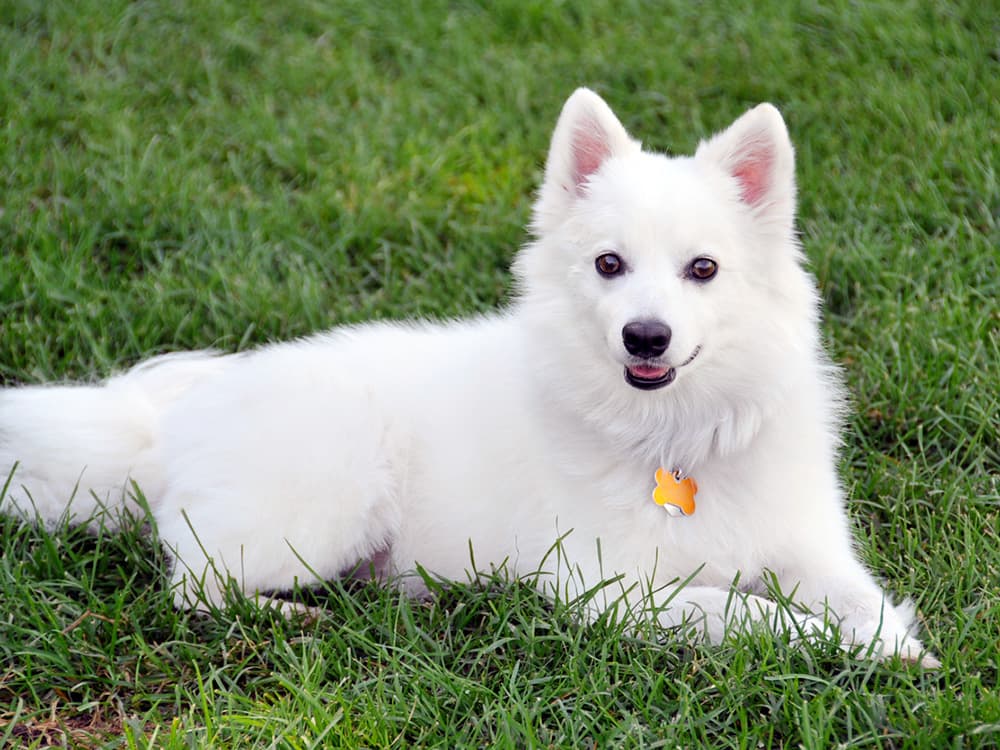
Another snow-white breed who looks curiously like an arctic fox, the American Eskimo dog comes in three size varieties, ranging from the very tiny toy (six to 10 pounds) to the larger standard (25 to 35 pounds). Eskies, as they’re affectionately known, are intelligent and highly trainable, but early socialization is needed to prevent excessive shyness. They don’t do well when left alone for long periods, preferring to come with you wherever you go. Eskies need lots of exercise and play to burn off excess energy so they don’t become bored and destructive.
Size: Six to 35 pounds
Coat length: Long double coat
Standout traits: Energetic, loving, and curious
Good with kids? Yes
Berk Ucak / iStock
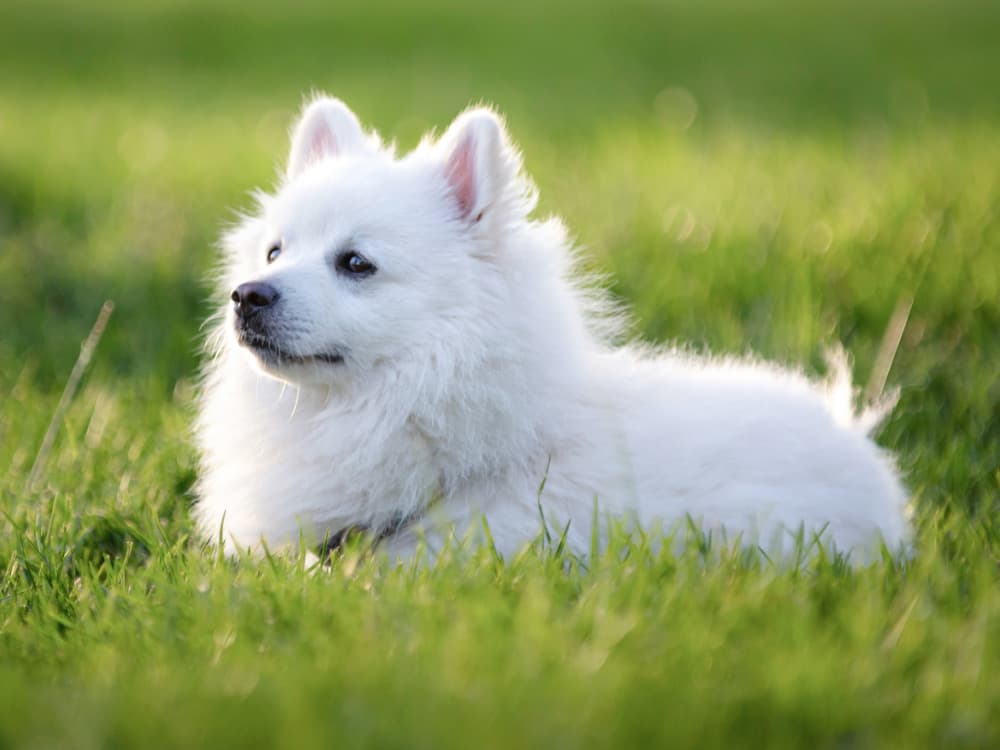
The Volpino Italiano is extremely rare, not only in the United States but worldwide. In fact, the breed nearly went extinct but was saved by a few dedicated Italian breeders in the 1960s. The Volpino Italiano comes in three foxy colors: classic red, pure white, and black. They can be both energetic and calm, and are happy to run and play or lie in your lap at the end of the day.
Size: Eight to 16 pounds
Coat length: Long double coat
Standout traits: Exuberant, playful, and happy
Good with kids? Yes, with older children
Medium and large dog breeds with spitz-type features can also look like foxes. But in larger dogs, the resemblance is more of a wolf-like outline, rather than a delicate fox silhouette. Most medium and large fox-like breeds have a sturdy build and are heavier boned, so they are slightly less foxy in that regard. But they still have the tapered muzzle, pointed ears, double coats, and bushy tails that give them that fox-like appearance.
PavelRodimov / iStock
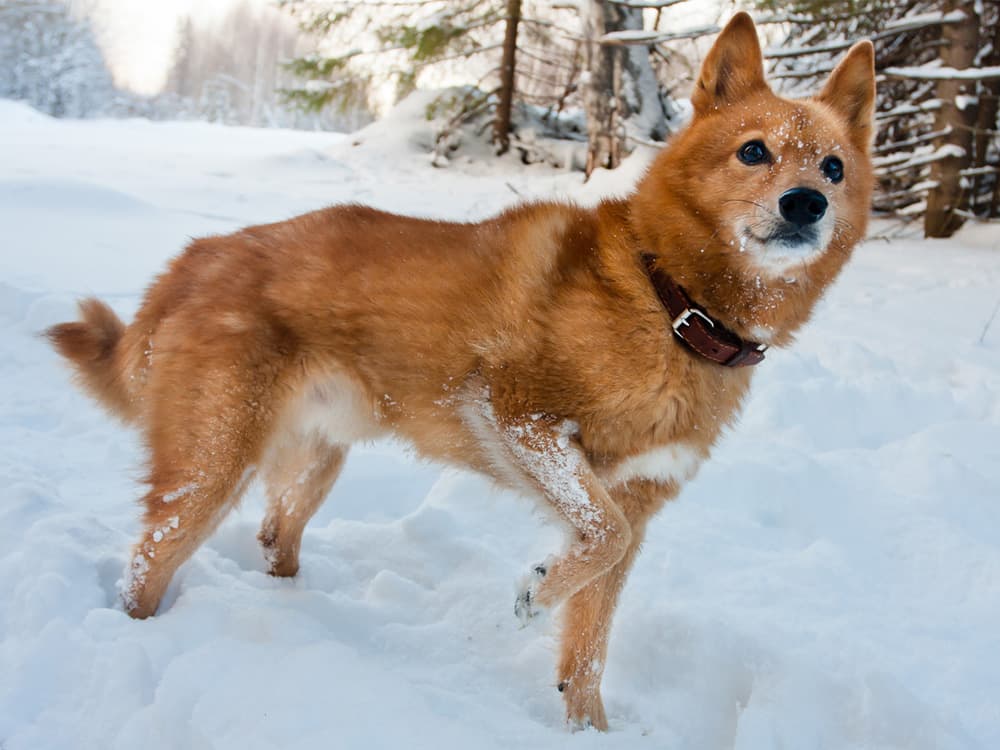
The Finnish Spitz is intended to look foxy. In fact, the breed standard (the written description of the ideal Finnish Spitz) opens with this statement: “The Finnish Spitz presents a fox-like picture.” The Finnish Spitz comes in the classic fox golden-red color, in varying shades from pale honey to deep auburn. Their dense, double coat has a ruff around the neck and a full plume on the tail. Originally a hunting dog, this active breed needs a lot of exercise. Finnish Spitz enjoy children and fit in well with active families. Their watchdog tendencies make this breed prone to barking.
Size: 20 to 33 pounds
Coat length: Medium-long double coat
Standout traits: Watchful, lively, and friendly
Good with kids? Yes
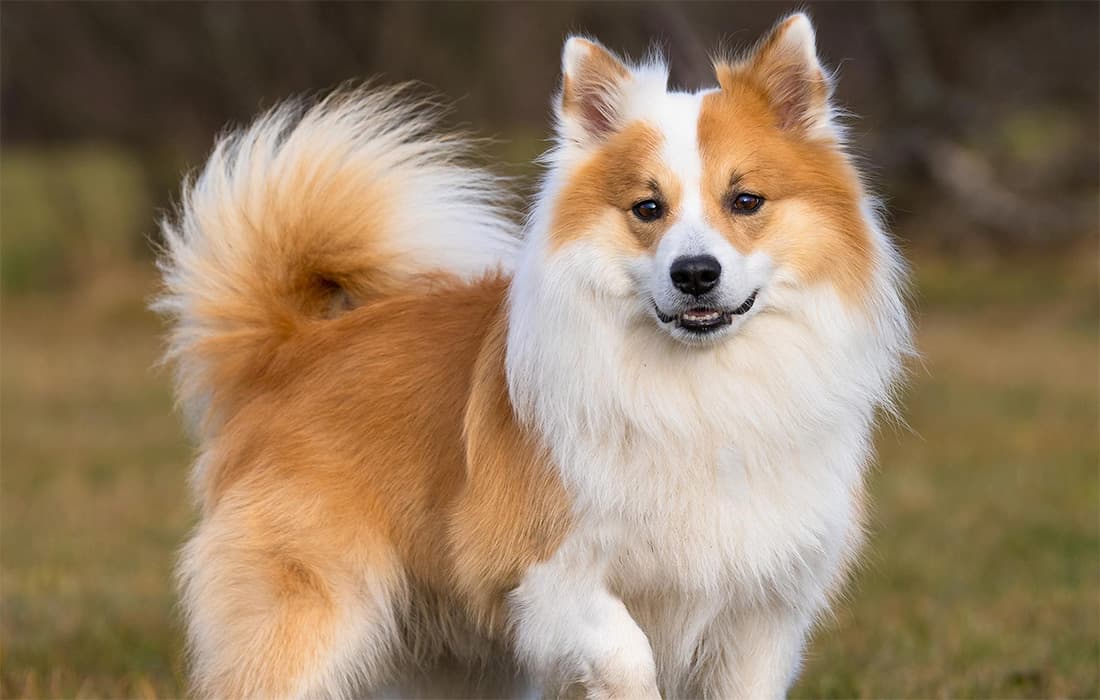
Iceland’s only native breed, the Icelandic Sheepdog, was originally used to watch and herd sheep, cattle, and horses. Icelandic Sheepdogs have a playful, curious personality. They’re also trainable, gentle, and affectionate, so this breed is a wonderful family dog. Most Icelandic Sheepdogs need moderate exercise and do best when they spend a lot of time with their human families. Some of these inquisitive dogs are escape artists, so a securely fenced yard is a must. Barking can be an issue with some Icelandic Sheepdogs, but this can be managed with training.
Size: 25 to 30 pounds
Coat length: Short or long double coat
Standout traits: Gentle, cheerful, and playful
Good with kids? Yes
SuperStock / AdobeStock
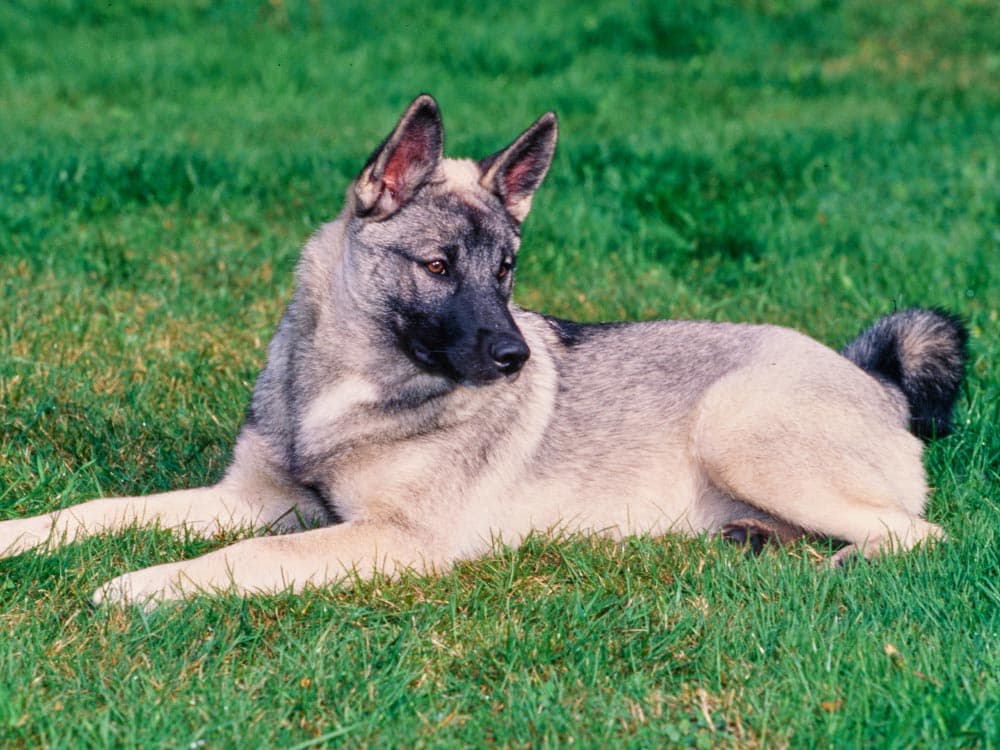
With their erect ears, bushy tail, and alert expression, the Norwegian Elkhound looks a little bit like a very oversized gray fox. But Elkhounds have a stockier build than foxes, and their muzzles aren’t as delicate. That said, many of the Norwegian Elkhound’s temperament traits are similar to those of a fox, including their independent nature, watchful attitude, and tendency to be vocal. These beautiful and powerful hunting dogs are devoted to their human families, but they need a lot of exercise — and training is tricky for these strong-willed dogs.
Size: 48 to 55 pounds
Coat length: Medium double coat
Standout traits: Watchful, courageous, and friendly
Good with kids? Yes, with older children
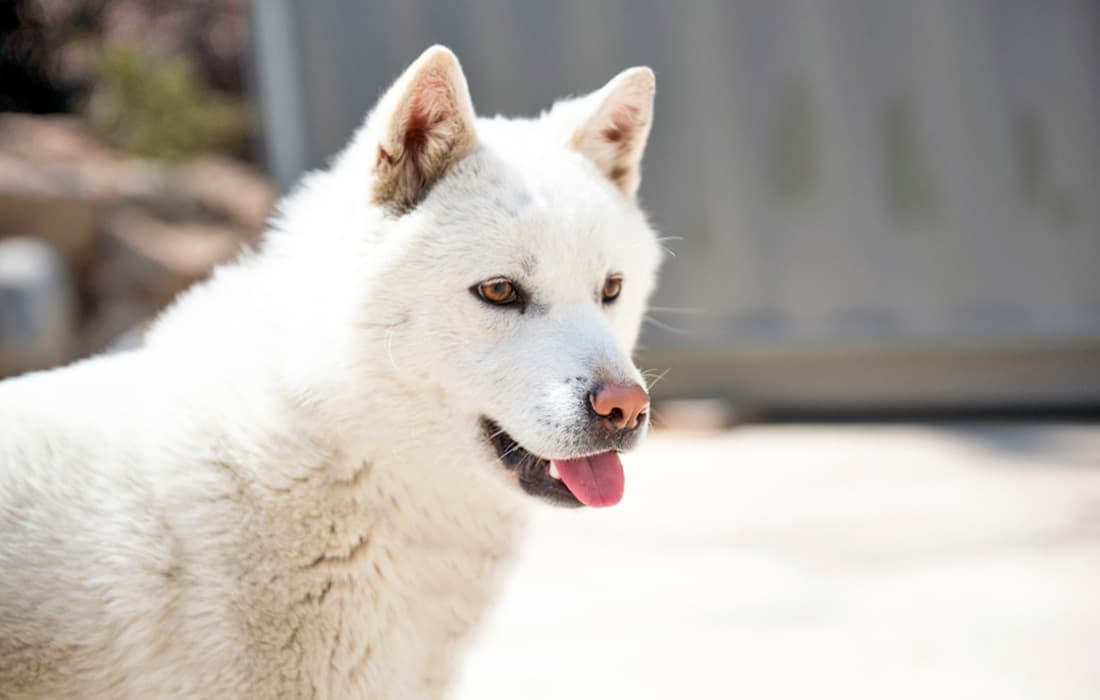
The Korean Jindo is very fox-like (especially those of the red fawn color) in looks. The Jindo has classic spitz features, including a tapered muzzle, upright ears, a plush double coat, and a bushy tail. Jindos also have strong fox-like personality traits, including an independent nature, an alertness to the world around them, and a high prey drive. Though wonderful in the right home, the Korean Jindo is best for experienced pet parents. The breed is known to be highly territorial, difficult to train, dog-aggressive, and prone to escaping.
Size: 30 to 50 pounds
Coat length: Medium double coat
Standout traits: Independent, bold, and faithful
Good with kids? No
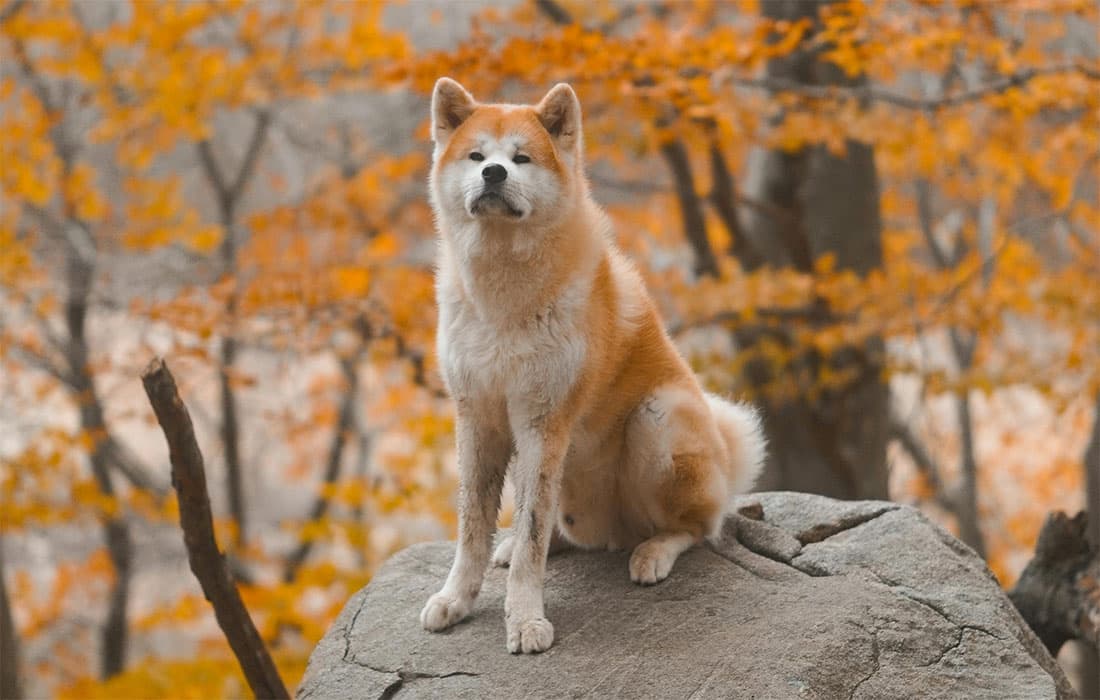
At first glance, the Akita looks a bit like a fox, especially when this dog is fox-red colored. The mild resemblance lies in the Akita’s spitz traits: the erect ears, brush tail, and thick double coat. However, the large and powerful Akita is much heavier boned than other fox-like breeds on our list, and their muzzle is shorter and wider than a fox’s tapered muzzle. Akitas form close attachments with their favorite people, but they can be challenging due to their high prey drive, propensity for dog aggression, and headstrong personality.
Size: 70 to 130 pounds
Coat length: Medium double coat
Standout traits: Alert, dignified, and brave
Good with kids? Possibly, with older children

The Nova Scotia Duck Tolling Retriever is one of the few non-spitz breeds on our list. But these small, red-coated retrievers look a lot like foxes, especially from a distance. Tollers often have white markings on their chests and faces, further lending to their foxy appearance. (In fact, the Toller has been specifically bred to look like a fox.) Their primary job was to play on the shore and lure curious ducks closer to a hidden hunter, a technique shared by foxes. The Toller also swims out to retrieve downed ducks, bringing them back to the hunter. The Toller is a high-energy dog who needs plenty of exercise (they love to fetch and swim). They are highly trainable and are wonderful family dogs.
Size: 35 to 50 pounds
Coat length: Medium double coat
Standout traits: Energetic, outgoing, and curious
Good with kids? Yes
Fox-like dogs might look like gentle, woodland creatures, but in reality, many spitz breeds have certain traits that can make them difficult to live with. Spitz breeds tend to have an independent nature, which can make training difficult. They often have a high prey drive, which can cause them to chase small animals or try to escape your yard. Some spitz breeds have a lot of energy, requiring considerable exercise.

Thinking of adopting a rescue dog? Learn more about the challenges of dog rescue and how you can help transition a new friend into your home.
Adopting a fox-like dog often means preparing for significant shedding all year long, plus heavier shedding periods in the spring and fall. Most spitz breeds are also quite vocal: Many of these dogs bark a lot, and some have unique vocalizations, including “talking,” yodels, or howls. Excessive barking can become a real problem, especially if you live in an urban environment with neighbors close by.
You can find the above spitz breeds, as well as mixed breeds that look like foxes, in your local animal shelter and through private rescue groups.
Keep in mind that spitz breeds are often surrendered to animal rescue due to their temperament traits that become problematic, such as training difficulties or excessive barking and vocalizing. This is usually due to the pet parent not adequately researching the breed to understand their needs. Often, these things can be overcome with proper education, training, and appropriate care.
If you’ve done your research and are ready for the commitment, know that there are tons of pets sitting in shelters and rescues, all ready to kick off their next chapter with someone who gets them. No matter what you’re looking for, there’s a pet out there who’s the perfect fit, just waiting for the chance to meet you.
Start your search on Adopt a Pet, where you can filter pets by age, color, breed, and more.
Legally speaking, you can potentially own certain species of fox in some states with permits, but many states ban fox ownership outright. Regardless of the legality of owning foxes, caring for them is much more challenging due to their wild behavior and strong odor. Domestic dogs who look like foxes are much better choices for a pet.
The Finnish Spitz, Shiba Inu, and Korean Jindo look most like a red fox. And though they don’t have upright ears, the red-colored Nova Scotia Duck Tolling Retriever was bred to look like a fox.
Some fox-like dogs are good with children, including the Finnish Spitz, Icelandic Sheepdog, American Eskimo Dog, Japanese Spitz, and Nova Scotia Duck Tolling Retriever. Meanwhile, other fox-like dogs are better with older children, including the Shiba Inu, Volpino Italiano, and Pomeranian (due to their delicate size).
Fox-like dogs, especially spitz breeds, do shed a lot. Their thick, double coats shed significantly throughout the year, with heavier shedding periods in the spring and fall.
“About Elkhounds – NEAA.” Wpengine.com, 23 Jan. 2019, neaa.wpengine.com/about-elkhounds/#living-with-elkhounds.
“About the Finnish Spitz.” Finnish Spitz Club of America, 2024, www.finnishspitzclub.org/about-the-finnish-spitz.html.
“American Eskimo Dog.” American Kennel Club, 8 Feb. 2023, www.akc.org/dog-breeds/american-eskimo-dog.
“American Kennel Club.” American Kennel Club, 6 Nov. 2017, www.akc.org/dog-breeds/pomeranian.
“Congratulations on Your New Pomeranian.” The American Pomeranian Club, a86d2f59-e14f-4fcf-a85d-57d754d75a93.filesusr.com/ugd/92124e_87671df32bd34c9f9970b7497a24e91a.pdf.
“Do I Really Want a Jindo?” Korean Jindo Dog Association of America, 2025, www.jindos.org/do-i-really-want-a-jindo.html.
“Finnish Spitz.” American Kennel Club, 5 Oct. 2020, www.akc.org/dog-breeds/finnish-spitz.
Italian Volpino. Federation Cynologique Internationale, www.fci.be/Nomenclature/Standards/195g05-en.pdf.
Japanese Spitz. Federation Cynologique Internationale, www.fci.be/Nomenclature/Standards/262g05-en.pdf.
Johnson, Joan, and Joan Johnson. “Meet the Akita - Akita Club of America.” Akita Club of America, 14 June 2024, www.akitaclub.org/meet-the-akita.
Korea Jindo Dog. Federation Cynologique Internationale, www.fci.be/Nomenclature/Standards/334g05-en.pdf.
“National Shiba Club of America.” Shibas.org, 2024, www.shibas.org/about.html.
“Schipperke.” American Kennel Club, 15 Mar. 2024, www.akc.org/dog-breeds/schipperke.
“Shiba Inu Dog Breed Information.” American Kennel Club, www.akc.org/dog-breeds/shiba-inu.
“Temperament.” ISAA, www.icelanddogs.com/temperament.
“Volpino Italiano.” American Kennel Club, July 2021, www.akc.org/dog-breeds/volpino-italiano.

Jackie Brown lives in sunny Orange County, CA, where she works as a freelance writer and editor. When she’s not on deadline, you can find her paddling her outrigger canoe in the Pacific Ocean or hiking in the foothills with her miniature poodle and two young boys.

Breed Info

Breed Info

Breed Info

Breed Info
Yes, there are differences in their personalities and physiques. Learn how to tell them apart.
Breed Info
One of the joys of adopting a dog is sinking your hands into their fluff, and it’s totally okay to admit that.
Breed Info
A guide to the breeds who live for winter and don’t mind the frosty vibes.

Pet Wellness
Got a particularly curious, nosy pet who gets into your plants? This one’s for you.

Breed Info
If you love Huskies, but they are too high-energy or too big (or small) for you, here are some other breed options worth exploring.