Did Your Cat Just Sneeze Like a Human Being? Here’s Why
Kitty sneezes can be alarming, but they’re not always cause for concern.
Kitty sneezes can be alarming, but they’re not always cause for concern.
by Charlotte Brackett, expert review by Dr. John Iovino, DVM | July 18, 2023
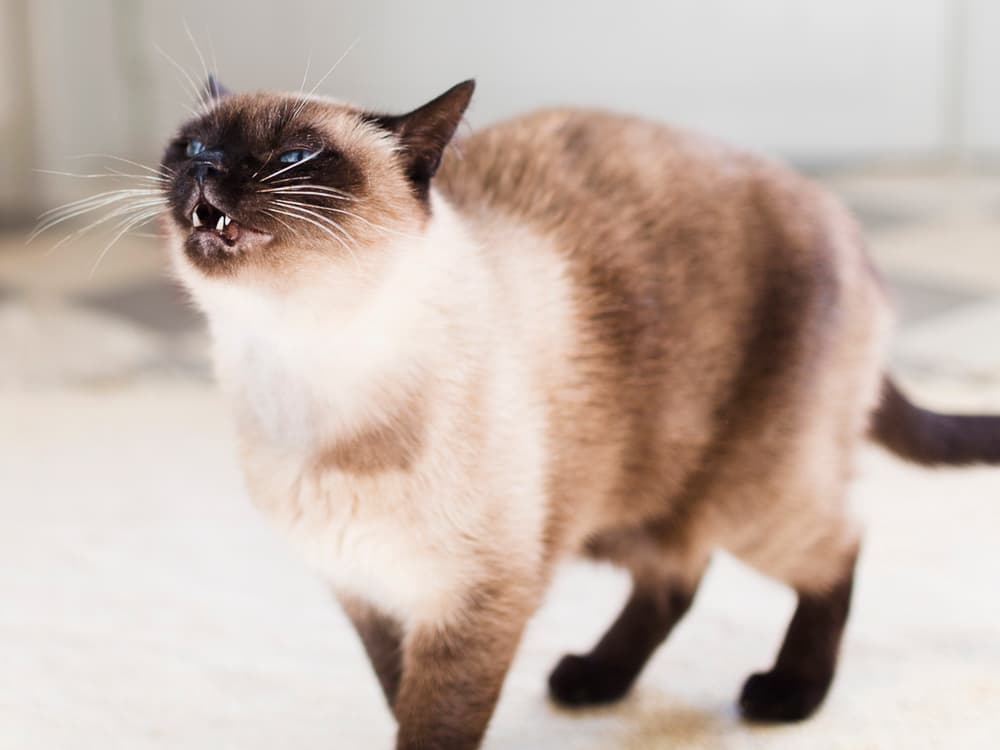
Laura Stolfi / Stocksy
Cat sneezes, like those of humans, can be amusing. Though they’re not as showboat-y as the ones your dad occasionally booms out, a kitten sneeze will always get a chuckle and maybe a “bless you.” But when cats keep sneezing, especially in rapid succession, red flags start flying. One or two sneezes every now and then is just a cat’s body’s way of clearing the nose, but if a cat sneezes constantly, something else might be the issue. Here’s what makes a cat sneeze and what you can do to help.
To better understand cat sneezing causes, you need to know what exactly a sneeze is. “A sneeze is a reflex action in the body controlled by nerves and muscles,” Dr. Iovino says. “Anything abnormal or foreign in the nose or back of the throat can elicit that sneeze.” OK, now you know.
So, why does my cat keep sneezing? Well, cat sneezing is difficult to diagnose. For one, as with all pet ailments, you can’t ask them what’s wrong. (Well, you can, but they probably don’t answer.) But there are also other little noises that escape from their mouths (coughing, wheezing, retching, gagging) that can all be misidentified as a sneeze — and they can be symptoms of something else entirely. While it’s always advisable to go to your primary veterinarian to find out what may be going on, here are some tips to point you in the right direction, courtesy of Dr. John Iovino.
According to Dr. Iovino, allergies are one of the most common reasons for a cat’s sneezing. Spring and early summer are prime time for seasonal allergies, and all that pollen can irritate your cat’s sinuses. Cats may also be allergic to dust mites or mold.

You thought it was a hairball, but nothing’s coming up…
Viruses, such as Feline Herpes Virus 1 (FHV-1), can cause a cat to sneeze. Don’t worry, though — Feline Herpes Virus isn’t transmissible to humans. When it comes to viruses, other symptoms will likely be present. “Sneezing may also come with some congestion and if a cat can’t smell well, then we tend to see them not eat well, either. If the nose is irritated enough to lead to a decrease in appetite, then that’s also a sign to be seen,” Dr. Iovino says.
“Dental disease can also set your cat off,” Dr. Iovino says. “Sometimes, respiratory infections can affect the mouth, like Feline Calicivirus, so we may see drooling caused by painful, irritated gums,” he adds.
Foreign objects that become lodged in a cat’s throat can also cause sneezing. If you think your cat may be choking, contact your vet immediately. Signs of a lodged foreign object include snorting, gagging, coughing, head shaking, nosebleeds, discharge, and pawing at their own face.
Luckily, there are plenty of ways to help your cat’s sneezing after you determine what may be causing it.

It’s not always an emergency — but it could be.
“Allergies can be helped with antihistamines and sometimes a steroid,” Dr. Iovino says. “Medications like antivirals or antibiotics can also be helpful if there are any infections that lead to a sneeze and if the condition progresses more severely.” In the case of dental disease, you may need to spring for a more involved treatment. “A dental cleaning, x-rays, and any periodontal work can rectify a potential chronic sneezing issue,” Dr. Iovino adds. “Something like a nasal foreign body may require a scope or other equipment to remove it from the nose or back of the throat.”
“A nose swab may be needed to rule out nasal mites,” Dr. Iovino says. “Sometimes x-rays of the chest, throat, and skull can be very beneficial in helping understand what’s happening physically.” Whatever’s needed — you’ll be there to pet them through it.
If your cat doesn’t need medical intervention or you want to try to help ease their symptoms in tandem with medical intervention, there are a few ways you can help a sneezing cat at home. You can clean a cat’s stuffed nose with a damp cloth or cotton ball soaked in warm water several times a day. A humidifier can also help a cat who sneezes a lot. You may want to get rid of air fresheners or other scented products that may irritate your cat’s sinuses.
Again, this isn’t always straightforward but, as a pet parent, it’s good to check in with yourself on this one. “There are going to be differing levels of sneezing and some cats have more symptoms as well,” Dr. Iovino says. “I think pet parents know their cats best, and if sneezing is noticed more frequently and there is a change that seems odd, then it would be a good idea to be more observant at home.” Basically, it comes down to this: if your cat is sneezing more and more each day, then getting an exam done is worth it. Discharges in the eyes or nose? Gagging or coughing? Also good reasons to go to the vet.
“Determining a cause at home can be tricky without proper medical training,” Dr. Iovino says. “We can suspect certain issues based on their history or certain physical exams, but sneezing isn’t exact for a certain issue.” Diagnostic testing or medication trials may be your fastest route to an answer.

How to spot and how to treat them.
Although finding a definite cause can be difficult, it’s important that pet parents really watch their cat’s abnormal signs at home — that info can be helpful for the vet to establish a cause more quickly. For example: “Noting issues with eating, using the litter box, or any eye discharge,” Dr. Iovino says. “FHV-1 infection leads to sneezing, but it can also lead to eye problems at the same time. Therefore, noting any discharges present from the nose or in one or both eyes can be very helpful.”
Common causes of cat sneezing include viruses, dental disease, foreign object obstruction, and allergies.
Some reasons for cat sneezing are not dangerous. Before you worry too much, try using a humidifier or air purifier and removing air fresheners and other scents from your cat’s space. If your cat is sneezing more and more often each day or the sneezing is accompanied by other health symptoms, your cat may be sick and in need of medical attention.
Allergies can be helped with antihistamines and steroids. Medications like antivirals or antibiotics can also be helpful if there are any infections that lead to a sneeze. According to Dr. Iovino, “A dental cleaning, x-rays, and any periodontal work can rectify a potential chronic sneezing issue. Something like a nasal foreign body may require a scope or other equipment to remove it from the nose or back of the throat.”
If your cat is sneezing more and more each day, experiencing discharge in the eyes or nose, or coughing or gagging, then getting an exam done is worth it.

Confused by all the cat dental care options out there? Here’s how to pick products that actually keep your cat’s teeth healthy.
You can clean a cat’s stuffed nose with a damp cloth or cotton ball soaked in warm water several times a day. A humidifier can also help a cat who sneezes a lot.
Yes; respiratory infections in cats cause sneezing, coughing, congestion, and conjunctivitis.
Using a humidifier and/or air purifier can reduce cat sneezing. Reducing the use of scents, such as air fresheners, can also prevent cat sneezing.
It’s important to see a vet if your cat’s sneezing worsens. A vet can help you determine the true cause of a cat’s sneezing and come up with a treatment plan.

Charlotte Brackett is a writer and content manager for the Pet Insight Project, which gathers data about dog behavior that may improve the lives of pets. She enjoys interviewing veterinarians and writing articles that help make dog ownership as easy and fun as possible. Charlotte earned a degree in journalism and English from the University of Richmond.
Lifestyle
Pet Wellness
Pet Wellness
Pet Wellness
Everything you need to know about cat allergies, according to three veterinary dermatologists.
Pet Wellness
Your cat won’t tell you their ear is bothering them — but these signs will.