Best Cat Dental Care Products: What to Actually Look For
Confused by all the cat dental care options out there? Here’s how to pick products that actually keep your cat’s teeth healthy.
Confused by all the cat dental care options out there? Here’s how to pick products that actually keep your cat’s teeth healthy.
by Dr. Maria Zayas, DVM, | August 27, 2026
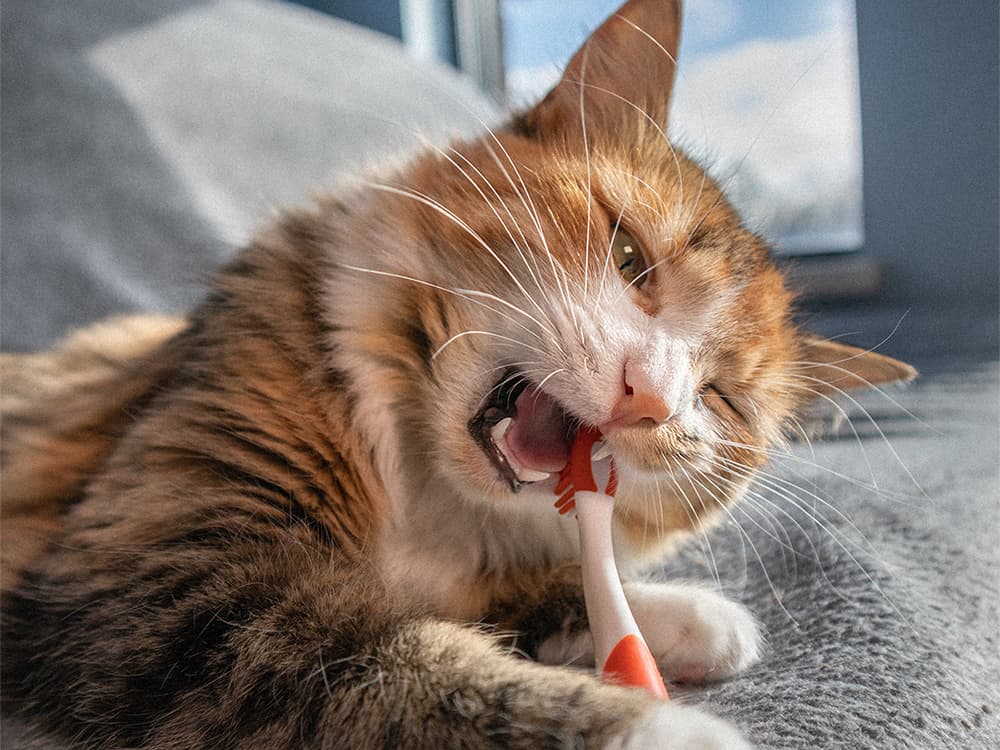
Petra Richli / Adobe Stock
Imagine how gross your mouth feels if you skip brushing your teeth just once (the disturbing phrase “tooth fur” comes to mind). So why do so many cat parents consider dental care optional? “Um, maybe because my cat would never let me brush their teeth,” you may be thinking.
Sure, we never said it would be easy. But unfortunately, it is a pretty essential part of their pet care and can save you thousands of dollars in future dental costs. So, it’s best you get yourself some cat toothpaste and a veterinarian-approved toothbrush — and get to work.
“Cats are very prone to gingivitis and periodontitis, which can be caused by a build-up of plaque and tartar and a sensitivity to the bacteria that grows on it,” says Dr. Lori M. Teller, a veterinarian and professor at Texas A&M University’s College of Veterinary Medicine and Biomedical Sciences. “This can lead to bad breath, inflamed and swollen gums, oral pain, pawing at the mouth, and tooth loss.” It can even lead to heart and kidney issues, because bacteria can travel from blood vessels in your cat’s mouth to organs.
Dr. Karen Hayworth, a veterinarian at VCA Northview Animal Hospital, recommends brushing your cat’s teeth daily. This is a tall order and — let’s be honest — probably not feasible for busy pet parents. If you aim for three times a week, and supplement with dental treats and professional cleanings at the vet’s office, this will do a lot for your cat’s health. “It’s well established that good oral hygiene is associated with good health,” Hayworth says. “And we want pets to be as comfortable as possible as they get older.”
It can be really difficult to sift through hundreds of search results or dozens of product offerings in a store to figure out which dental care products work, are safe, and will be tolerated by your cat. Here are the things to prioritize when choosing a dental care product for your feline.
The Veterinary Oral Health Council, or VOHC, is a group of veterinary dentists and dental scientists who review available research on a specific dental product. They only give their seal of approval if they can confirm that the data supports the dental product’s claims, and that it can be expected to prevent or treat dental disease in pets.
A dental product with a VOHC seal will have a stamp-like logo on the front of the package saying “VOHC Approved.” The VOHC also maintains a list of all approved products, which you can check out here. In most cases, your cat needs to use or be given the VOHC-approved product every day to see the expected results
One thing to note:
Cats, in particular, can be difficult to find oral products for because of their size, strong flavor and texture preferences, and the lack of research dedicated to cats. While having a VOHC seal of approval for use in cats is a great way to know for sure a product is effective and safe for cats, it isn’t at all uncommon to need to branch out from products with their seal to find something that works for you and your cat. Do your best and when in doubt, ask your vet!
Some ingredients that are safe for dogs are toxic to cats, and vice versa. Toothpastes formulated for people can be harmful or even deadly to cats. Be sure the dental product you’re considering specifically states that you can use it for cats. Otherwise, it’s probably best to keep looking.
Many dental chews are slightly oversized, so your cat has to work harder to chew on them. That being said, cats have little mouths and aren’t as big on chewing away at things like dogs are. When choosing a dental product, consider a few things: Does your cat already have painful dental disease, and do they like dry versus wet food and/or tend to chew on things instead of thinking difficult-to-chew food may not be worth the effort?
In a similar vein, when shopping for a toothbrush for your cat, make sure it’s small enough to fit in their mouths, which is usually the smallest option you can find.
Most dental products for cats are flavored. It may be worth offering your cat different flavors of the same product before deciding they don’t like it, or picking products made in their favorite flavor.
Ready to wade into the sea of dental care options for your cat? Here are the basic categories of products, and the pros and cons of prioritizing any of them.
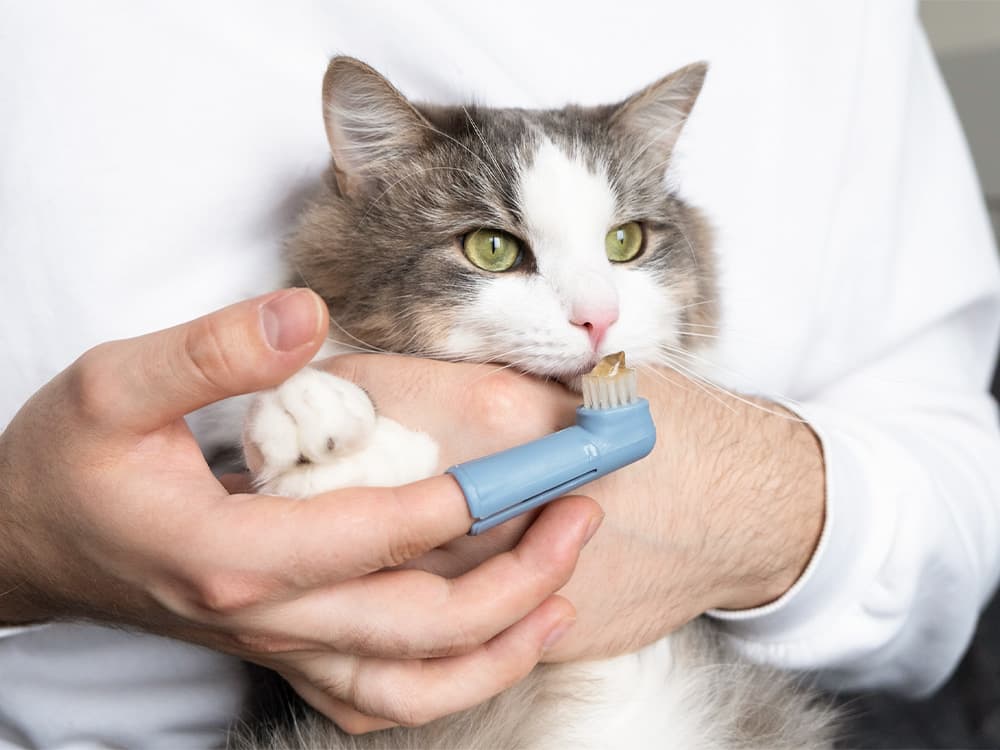
Irina Kashaeva / iStock
Brushing your cat’s teeth is the most effective thing you can do to prevent dental disease. No other interventions on this list replace the efficacy of toothbrushing. Still, this doesn’t mean our cats agree with what we know.
There are many forms of toothbrushes, including the standard type, brushes with two head sizes on the same product, brushes with two or three sides of bristles to brush more than one tooth surface at one time, and fingertip brushes (which slip over your finger instead of being held in your hand). While all the specialized brushes attempt to solve some of the difficulties of toothbrushing, start with a basic toothbrush with the smallest and least complicated head.
Pros:
Most effective
Generally inexpensive
Can substitute infant toothbrushes for cat-specific brushes, giving you more options
Cons:
Often requires training
Can risk injuries and negatively affect your relationship
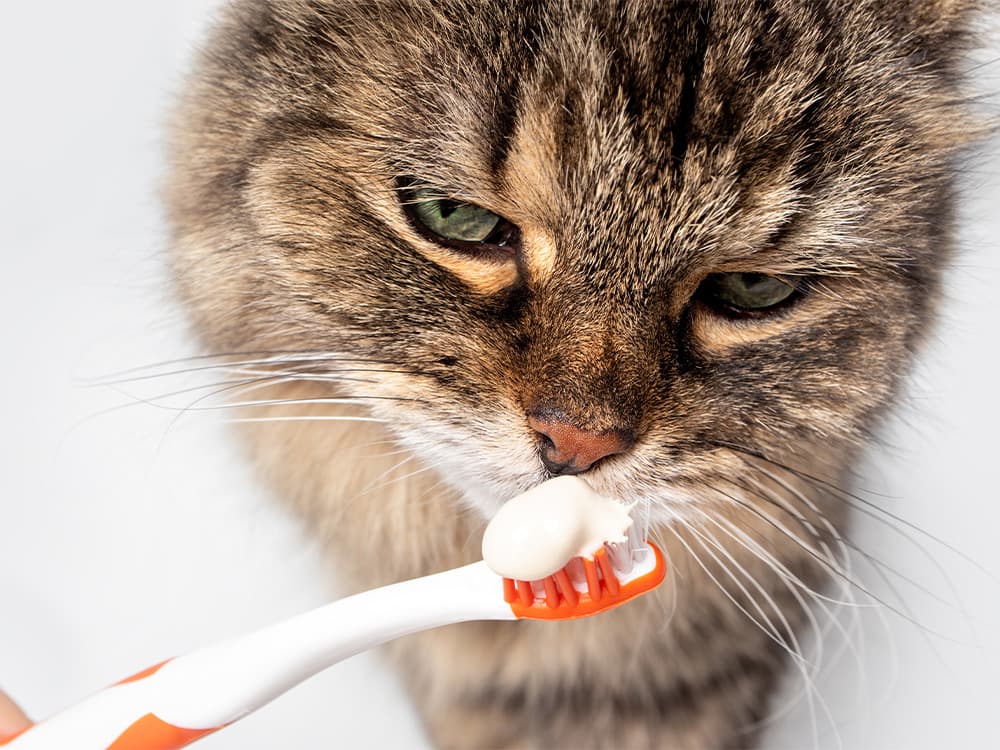
Petra Richli / Adobe Sto
When purchasing a toothbrush, you’ll also need toothpaste. Any toothpaste labeled for cats can work, but generally speaking, look specifically for enzymatic toothpaste, which is the most effective type. The toothpaste most commonly recommended by veterinarians for cats does not have a VOHC seal. Unfortunately, there are very few feline toothpaste options approved by the VOHC, so it’s more important to focus on the toothpaste being safe for cats and coming in a flavor that doesn’t make them miserable.
Pros:
Many brands and flavors
Cons:
Cats can hate the flavor/texture
Enzymatic toothpastes are usually more expensive
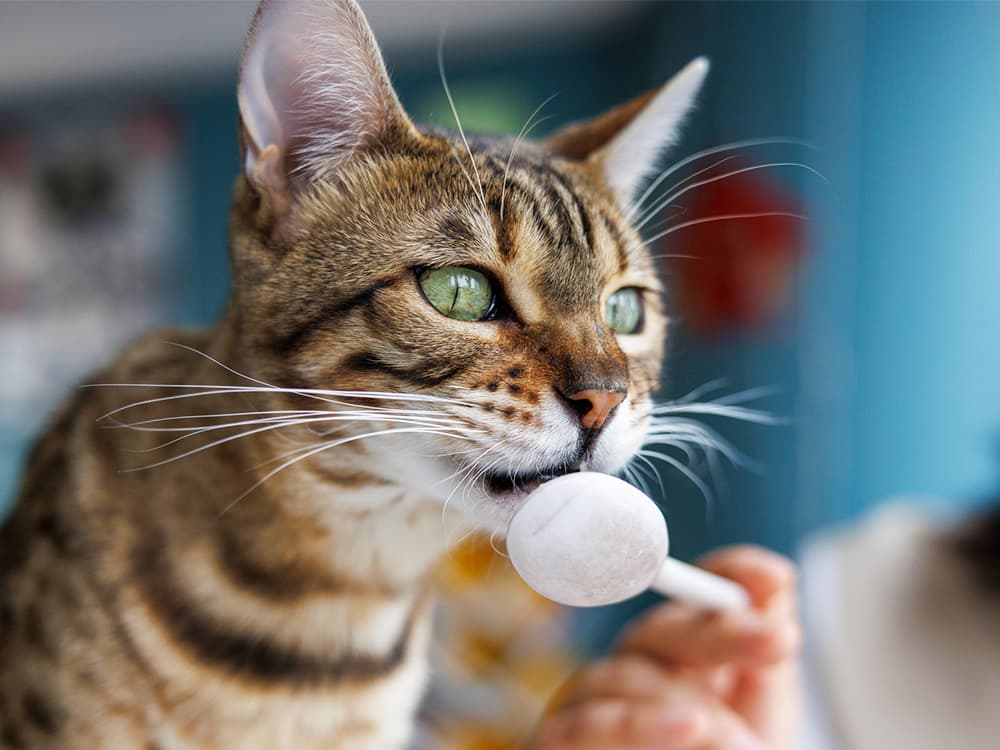
somethingway / iStock
There are several different types of dental powders. Most are supplements or probiotics that support healthy oral and gut bacteria and/or disrupt the bacterial film in a cat’s mouth that causes the worst parts of dental disease. Before choosing a powder dental supplement, talk to your vet. Certain feline health conditions, such as IBD or hyperthyroidism, can make some supplements unsafe for cats.
Pros:
Inexpensive
Can hide in food/treats
Cons:
No easy way to give it, if it’s refused in food
Need to ask a vet first
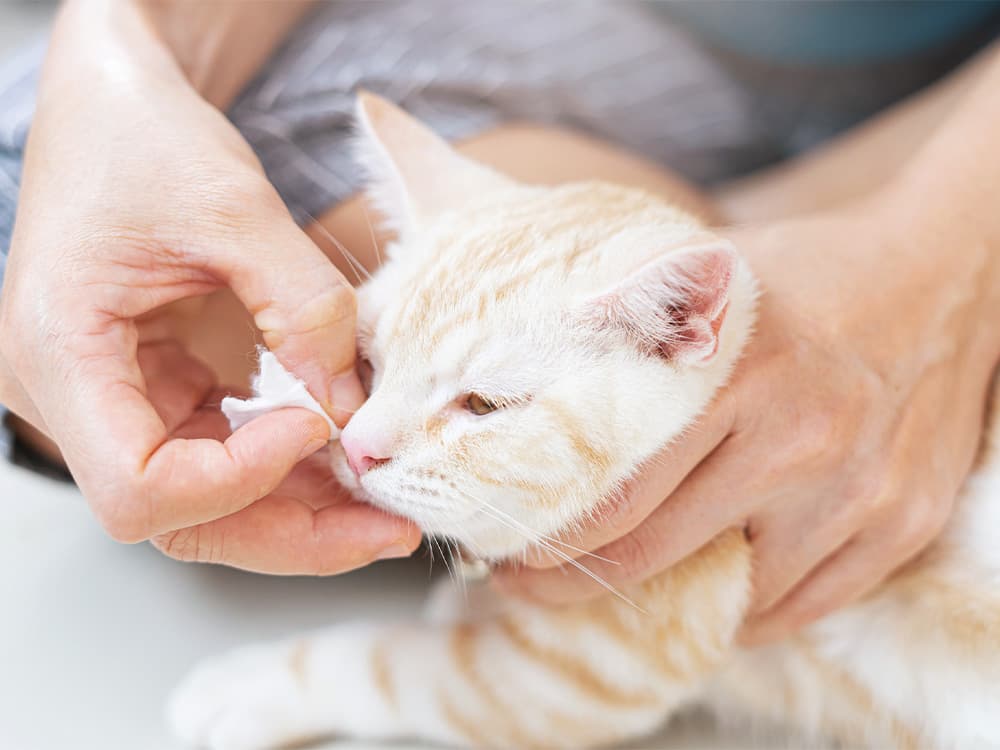
NongAsimo / iStock
Dental wipes are another way to apply a dental-care ingredient directly to problem areas. Some wipes are anti-bacterial, while others try to be a mechanical alternative to brushing. The general idea is that they help prevent plaque buildup.
Wipes are a great alternative if you can get your cat used to you touching their teeth — but they just can’t get on board with the texture or flavor of toothpaste or the bulkiness of a brush in their mouth. Just keep in mind you can only treat the outside edge of their teeth. And they’ll almost certainly bite down involuntarily if you try to wipe the inside edge of their teeth or possibly further back in their cheeks to reach their molars.
Pros:
Apply directly to problem areas
Cons:
Less cost-effective
Toothbrushing is a more effective, similar process
Risks injuries
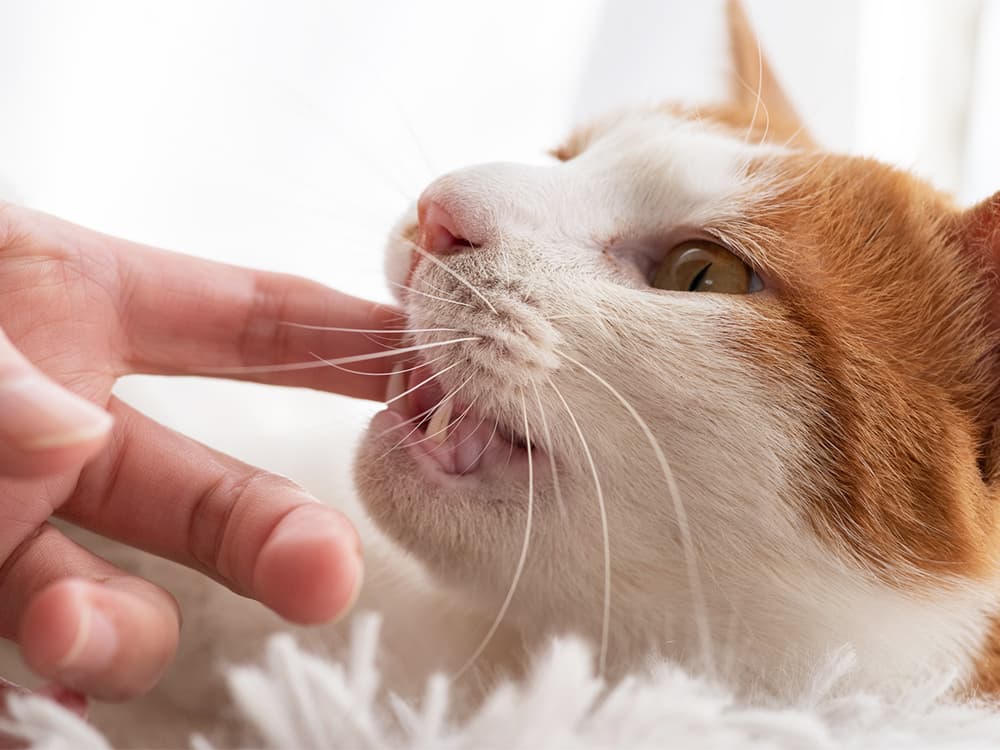
rai / iStoc,
Teeth gels work very similarly to dental wipes, with a different application method. Gels are another tool in your arsenal, but as with wipes, they can only work where they reach. Applying the product with your fingertip usually means you’ll have limited reach. They also usually need to be applied after meal times, so they aren’t rubbed away too soon.
Pros:
Quickest application method
Cons:
Expensive
Same application problems and risks as dental wipes
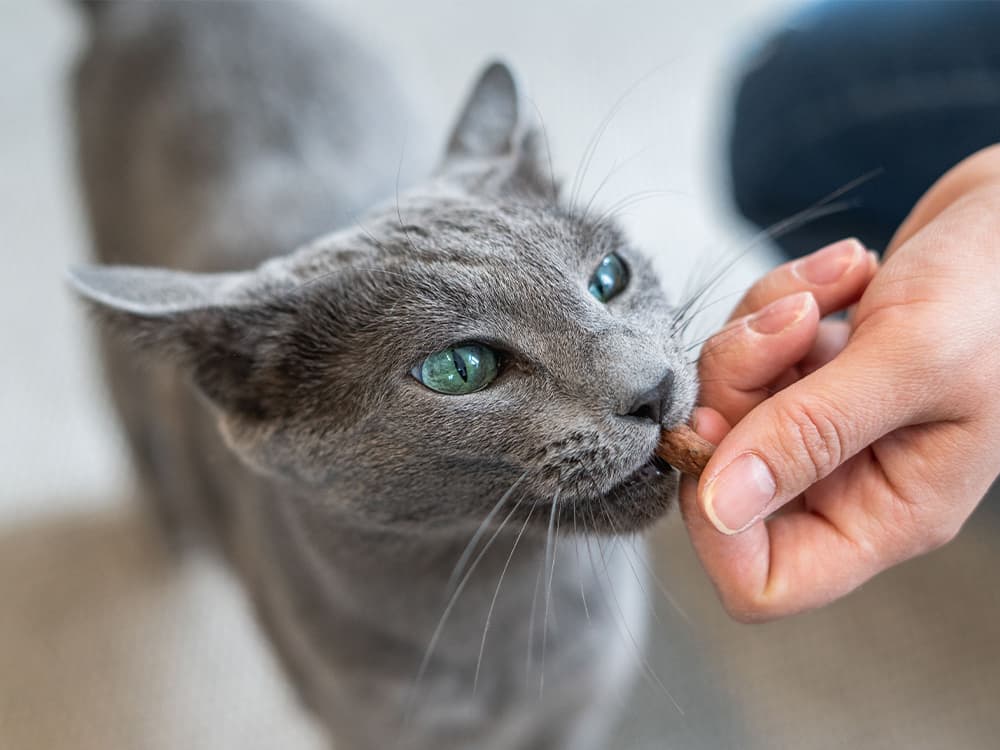
Dieter Schmidt / Adobe S
Dental treats that your cat likes can be a great, fuss-free way to support your cat’s dental health. They pair best with toothbrushing, but effective brands with a VOHC seal can do some dental disease prevention and plaque removal on their own. Finding a dental chew your cat likes can strengthen your relationship and make dental care a favorite part of their day. Just remember they have to chew it for it to work.
Pros:
Many flavors, textures, sizes, and brands
Cons:
Time/money may be spent finding one your cat likes
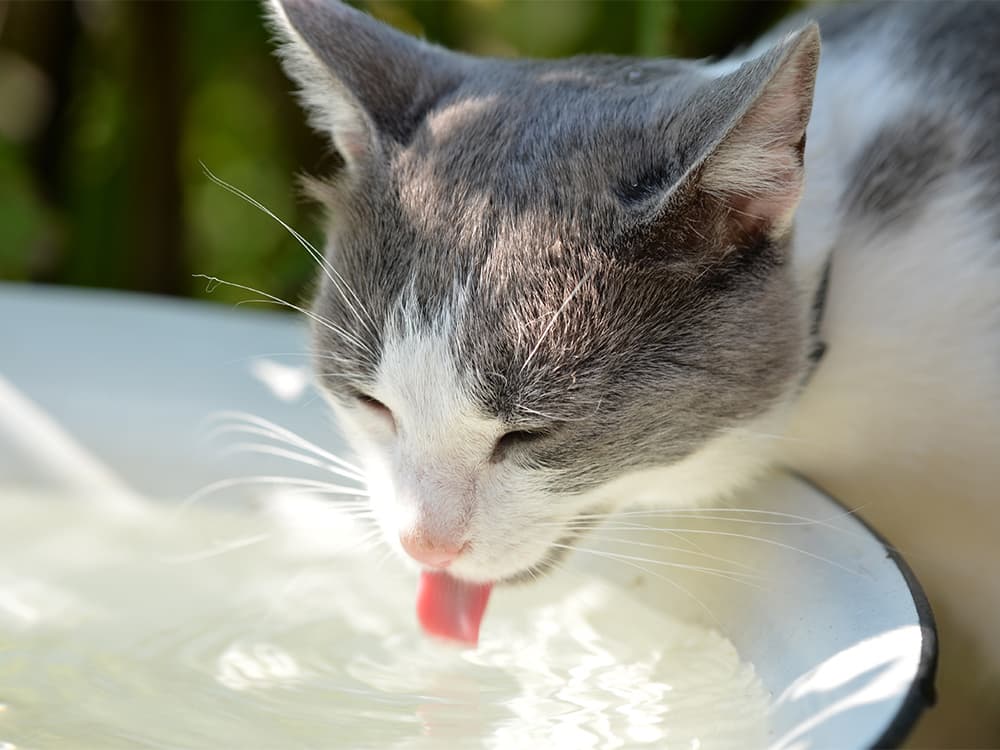
Talulla / Adobe Stock
Sneaking a solution that fights mouth bacteria into your cat’s water source can slow down dental disease and freshen their breath. Water additives are generally cat-safe if you make sure your kitty still has as much access to normal water as they used to. Many cats can smell or taste water additives and will avoid those water sources, so make sure they can still drink (normal) water.
It is also worth talking to a vet before offering your cat a water additive. If they drink more water each day due to conditions like diabetes or kidney disease, your vet may recommend a reduction in dose, despite what the label suggests.
Pros:
May go unnoticed
Good for bad breath
Cons:
Need to offer normal and treated water
Difficult to dose
Studio Firma / Stocksy
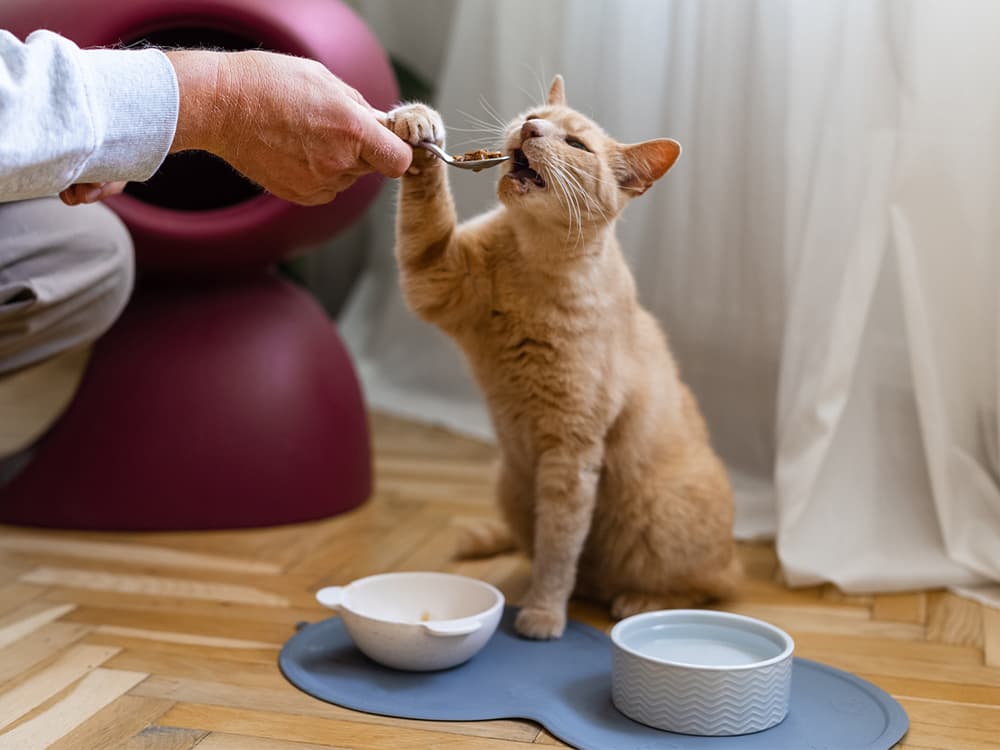
When in doubt, if you can’t treat your cat’s dental disease any other way, making their food do the work is always an option. These diets range from dry food with larger kibble that encourages more chewing, to prescription diets with other elements (the aforementioned gels, chews, powders, water additives, and so on) added into the food as well. The most effective dental diets — with the most research showing they work — are prescription diets. If you have the budget to give your cat a specialized diet, talk to their veterinarian about options.
Pros:
Many brands to choose from
No-stress option
Cons:
More expensive than standard diets
Only dry options
If you have a kitten — great. “It’s going to be easier to normalize this activity with them,” Teller says. But you still can make some progress with an older cat: Just harness some patience, and practice over a period of a few weeks. Start with a professional dental cleaning performed by your vet, with your cat under anesthesia, then wait a couple of weeks before attempting any upkeep.
“It’s important to use a super-soft toothbrush — either designed for cats or infants,” Teller adds. “But pick up an enzymatic toothpaste that’s made for animals rather than a human toothpaste, which has foaming agents that will harm a cat if they swallow it (which you can count on).”
Some cats won’t tolerate brushing, and for them, products like rinses, wipes, gels, and dental chews can be used in between professional cleanings. But nothing beats brushing, Teller says: “While these are reasonable alternatives, nothing will be as effective as brushing your cat’s teeth on a daily basis.” Ready to level up your cat’s oral health? Visit the Veterinary Oral Health Council for a long list of recommendations.
Some tell-tale signs that your cat needs to see a vet for help with their teeth:
Picking up food in their mouth, then dropping it before trying to eat it again
Shaking their head while eating
Pawing at their mouth
Any drainage from the mouth, including drool, if it’s suddenly more than usual
A new foul odor from the mouth
Losing a tooth
Loose teeth
Visible tartar or tooth roots
Refusing food
Most cats with dental disease, no matter how bad it is, do not stop eating. Cats are hardwired not to show pain, so just because your cat is still eating, even if it’s hard food, that doesn’t mean they don’t have dental disease and pain.
It’s most effective to brush your cat’s teeth once a day, but a few times a week still helps.
You can try working them up to it, starting with handling their face, then their teeth. Then, introduce a brush and toothpaste separately — and only after that, try to brush their teeth. If they won’t tolerate any part of the process, try dental chews, diets, wipes, gels, or powders instead.
No dental treat can prevent dental disease forever on its own, but some dental treats actually do slow the progression of dental disease. To find the effective brands that are more than marketing, look for the VOHC seal on the package.
Although this is almost always true, other health conditions such as diabetes can also cause changes to a cat’s breath.
Yes, kittens can get dental disease. This is especially true if their teeth don’t come in when or where they should, or if they’ve been exposed to certain medications or toxins while in their mom’s womb or just after birth. Training a kitten to tolerate toothbrushing is also much easier than it is with an adult cat. So it’s never too early to start thinking about dental care, even if your cat is still a kitten.
“Accepted Products | Veterinary Oral Health Council.” Veterinary Oral Health Council, vohc.org/accepted-products.

Dr. Maria Zayas attended Ross University School of Veterinary Medicine where she completed her veterinary degree in addition to participating in and presenting research related to aquatic animal medicine. She spent her first year as a doctor working with a low cost spay/neuter and general practice clinic before returning to her home state of New York and entering the world of housecall veterinary medicine. Falling in love with this area of medicine, she launched her own housecall veterinary practice in addition to writing pet health articles. She loves all things related to water and continues to travel and explore with her three dogs and one cat, all of whom also love to swim.

Pet Wellness
Pet Wellness
Pet Wellness

Pet Wellness
Plus, expert advice on how to trim your cat’s nails at home.

Pet Wellness
NYC’s top veterinary dentist on bad breath, dental disease, and brushing your dog’s teeth...daily.
Pet Wellness
Your cat’s oral hygiene is essential to their health. Take things slow and figure out what works best for your kitty’s pearly whites.

Pet Wellness
Dogs can suffer from gum disease, too. Here’s how to prevent it.
Pet Wellness
Give them the day off from self-grooming.

Pet Wellness
Much to their disappointment, taking care of your cat’s teeth is essential.