They’re Just Like Us: Dogs Get Gingivitis
Dogs can suffer from gum disease, too. Here’s how to prevent it.
Dogs can suffer from gum disease, too. Here’s how to prevent it.
by Dr. Maria Zayas, DVM, | September 29, 2026
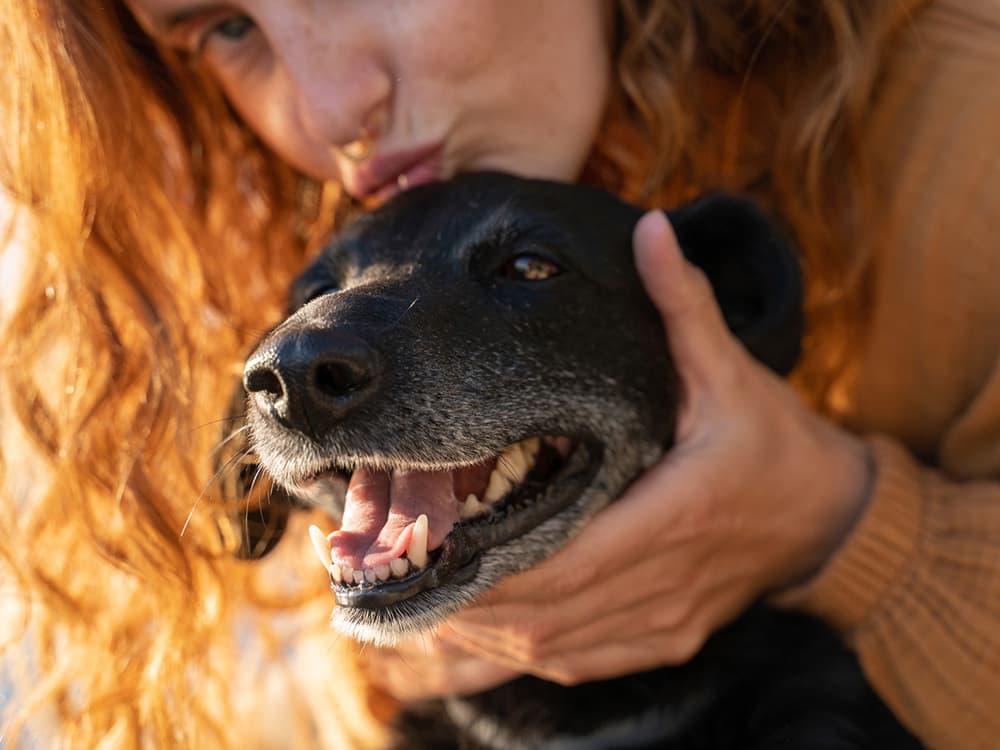
Alba Vitta / Stocksy
You’re probably well aware of the warnings against human gingivitis — they’ve likely been scared into you by dentists who are a little suspicious of your self-reported flossing habits. But as it turns out, humans aren’t the only ones who can get gum disease; dogs are at risk, too. And the condition’s no joke: Gingivitis in dogs causes inflammation of the gums around the teeth and can lead to more serious health conditions, such as kidney, liver, and heart disease. The good news is, it can be prevented. Here’s how.
Who here has taken a good look at their dog’s mouth? Maybe you’ve never really checked until there was a problem, or maybe you heard about dental disease with a friend’s pet and want to check your dog now too.
If you’ve lifted their lip and seen the top of a big tooth like their canine, you may not have noticed a problem. If you look further back though, it’s very likely you’ll find some red, angry-looking gumline right above the rest of their teeth. This is especially true if your dog is older than one or smaller.
Okay, you’ve seen some inflamed gumline in your dog — is it time to panic? While seeing tissue that abnormal may have you worried about whether it’s painful, what exactly it is, and if you need to do something about it (right now?!) — it’s probably gingivitis.
Gingivitis most literally means inflammation of the gingiva, or gums (that’s what the -itis on the end of the word means in doctor speak). It’s an immune reaction along the gumline and the first stage of dental disease.

Gingivitis looks like redder, possibly slightly raised gum tissue where the gum and teeth meet, aka the gumline. The rest of the gum is typically a pale-ish pink and slightly moist, but the gingivitis tissue will be much deeper in color, probably a pretty sharp change from pink to reddish tissue, and may even have a bit of orange/yellow hue to it, be raised, have cuts or other defects in it, be draining blood or even white, yellow, or green pus, and in general may be a bit startling to see, based on the severity.
If your dog has gingivitis, they probably also have pretty bad breath. If their gingivitis is part of more progressed dental disease, they may be dropping food when trying to eat it, drooling, uncomfortable having their head handled (more than usual), and possibly losing teeth. It’s important to know, however, that these more severe signs happen when there’s more than just gingivitis happening, so if it’s just gingivitis, you don’t need to panic.
Until gingivitis reaches an advanced stage, it can be difficult to detect, so your dog may not exhibit symptoms at first. That’s why it’s important to get their teeth regularly checked at the vet. The tell-tale signs of advanced gingivitis are:
Inflamed red gum line where the gums meet the teeth
Swollen gums
Excessive plaque and tartar buildup
Bleeding gums, especially when brushing teeth
Receding gums
Loose teeth
If you want to see if your dog has gingivitis, ask them to sit with you and try handling their head. If they’re okay with that, you can lift the upper lip on one side of their mouth to get a look at everything inside. What you’ll see most easily is their big canine tooth, and you may be able to see a red gumline above the tooth.
The canine is the tooth with the least amount of dental disease in dogs. If so far your dog isn’t pulling away, growling, or snapping at you for lifting their lip, you can try holding more of that upper lip and lifting it further back if you need to see more. You will likely need to stick your whole finger in there to pull this off, but try not to actually stick your finger in their mouth, just under their lip. You don’t need to get them to open their mouth; you’re just looking at the outside of their teeth and gums for this, not the inside.

Here are four common dental problems your pup might face and how to treat them.
Looking above the teeth further back in their mouth, the premolars and molars, do you see red gum tissue, smell anything bad, or see yellow, brown, or even gray to black stuff on the surface of the tooth? That’s what you’re looking for when checking their mouth for gingivitis or worse dental disease.
Gingivitis is a sign of an inflammatory immune reaction at the edge of the gumline where it’s touching their teeth. Why there? It’s reacting to bacteria accumulating on the tooth’s surface. Many types of bacteria grow in a dog’s mouth, but only some can form something called a bacterial film on the tooth (that fuzzy feeling on your teeth if you miss brushing for a day), which is at the root of most dental disease.
Because most dogs aren’t getting their teeth brushed regularly, that bacterial film is there for most dogs, and so is the associated gingivitis, where a dog’s immune system is exposed to that bacteria at the gumline.
That’s why I said earlier that most dogs over one year old will have gingivitis, but small dogs under 25 pounds have additional risk factors.
It turns out whether your dog has gingivitis, how severe it is, and how easily it develops has a lot to do with genetics too. Things like little teeth, overcrowding of those teeth in the mouth, how that dog’s immune system reacts to bacteria, and even what bacteria grow happily in a dog’s mouth are significantly, if not entirely, decided by genetics, like their breed and size.
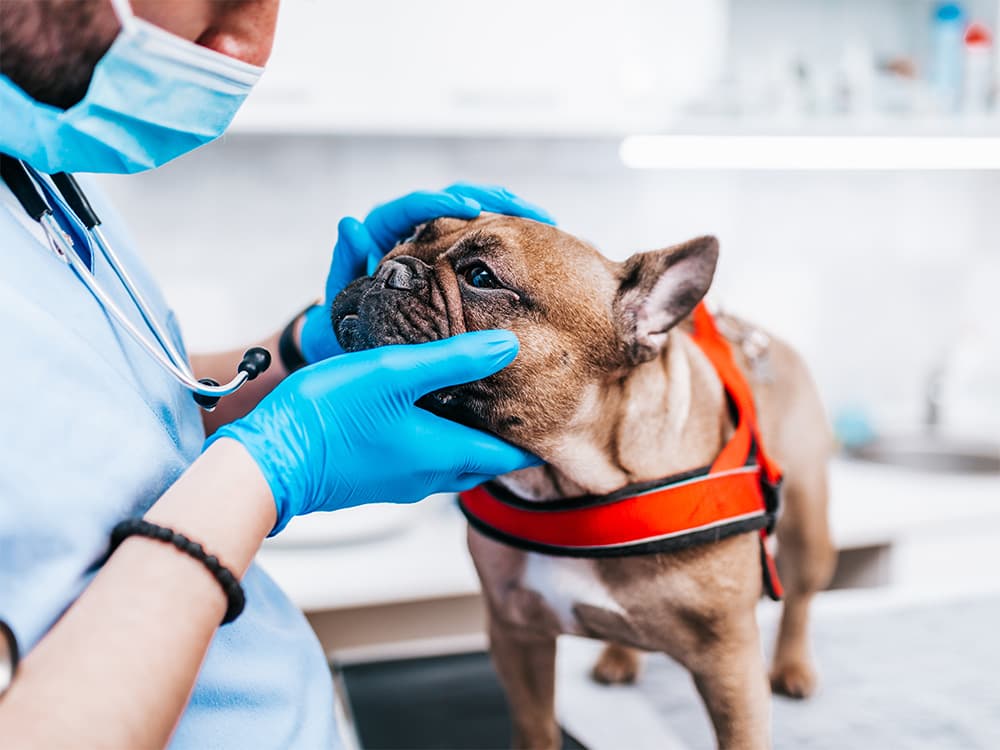
hedgehog94 / Shutterstock
Yes, it absolutely can be. At home, if there’s no tartar or plaque built up on your dog’s teeth, then brushing their teeth will remove the bacterial film and with time and upkeep, gingivitis will lessen or go away entirely for most dogs.
If your dog does have some tartar built up on the tooth — a layer of yellow, brown, or gray discoloration that may be rough or slightly raised on the part of the tooth nearest the gumline — that harbors a lot of bacteria. Brushing their teeth won’t remove this, so they likely need a dental cleaning with a veterinarian, which can remove all that. At home afterward, if you keep up tooth brushing at that point, the gingivitis can likely be reversed.
I mentioned tooth brushing above because it is the most effective defense you have against dental disease for your dog. Dental cleanings for dogs can cost over $1,000, so while no one’s favorite, if you are able and your dog is willing, training them for tooth brushing and doing so at least weekly, but ideally daily, can help significantly curb the progression of dental disease.
That being said, tooth brushing and training for that can be time-consuming and not tolerated by a lot of dogs, so what else can you do?
Dental chews and other dental products with a VOHC seal can help slow the progression of dental disease and some will specifically target killing or disrupting the bacteria that form a film on the surface of their teeth that leads to gingivitis and more advanced dental disease.
Besides dental chews, examples of other dental products include powders, gels, water additives, probiotics, and even specially shaped dry food.
Just remember that the only thing that has consistently been shown to prolong time between recommended dental cleanings for dogs is regular tooth brushing with a dog-safe toothpaste, so if you’re able, it’s worth the effort.
No matter what you do, dogs with genetics predisposing them to dental disease will likely need one or more dental cleanings in their lifetime. If your dog is seeing their vet annually for a wellness physical and check-in, your vet will be tracking their dental disease and let you know when it’s time for a dental cleaning. Dental cleanings annually or even every six months may be recommended for dogs who really struggle with this.

NYC’s top veterinary dentist on bad breath, dental disease, and brushing your dog’s teeth...daily.
If you notice any of the following problems at home from your dog, it would also be time to check in with your vet about potentially necessary dental care:
Picking up and dropping food before actually eating it
Refusing hard food
Decrease in appetite
Bad odor from the mouth
Crying when chewing on something
Losing a tooth
Bleeding from the mouth
Pawing at mouth and/or shaking head
Increased drooling, especially if that drool has an odor or color to it
Why don’t most vets recommend regular dental cleanings every six months for all dogs, as dentists do with people? This is because dogs can’t tolerate a dental cleaning the way people can, holding their mouth open and still, letting people scrape under their gumline, holding a plate behind their tooth at specific angles for dental X-rays, etc. Instead, dogs must be placed under general anesthesia to receive a safe, effective dental cleaning. Anesthesia, however, always comes with risks and isn’t always affordable, so most dogs have their dental disease tracked at annual appointments, are recommended home care like toothbrushing, and only undergo dentals as needed.
Gingivitis is typically the first step of periodontal disease. The root of gingivitis has to do with the gums, while the root of periodontal disease has to do with the tooth and the connective structures that keep the tooth alive and in place. As dental disease progresses, it goes from just an immune reaction at the gumline to a disease that affects the tooth root and can lead to tooth decay.
You should never use human toothpaste for your dog. Human toothpaste is formulated to a different pH, is very likely to have ingredients toxic to dogs in it (the main culprit is xylitol, which can have antibacterial oral properties and is very common in gum, mouthwashes, and toothpastes for people but is lethally toxic to dogs in small amounts), and may be an unpleasant flavor for them as well. Instead, use toothpaste specifically designed for dogs; it will work better for them anyways.
This typically takes at least a couple of weeks of daily toothbrushing to occur, but remember to keep it away you also have to keep brushing regularly as well.
The bacteria in the mouth that lead to gingivitis can spread via coughing and swallowing to the liver, lungs, heart, and more and cause further health complications for dogs. This is very rare for a dog with just gingivitis, as the bacterial load is still small, but when tartar develops on the teeth, it holds significantly more bacteria and can cause a number of health problems for your dog.

Dr. Maria Zayas attended Ross University School of Veterinary Medicine where she completed her veterinary degree in addition to participating in and presenting research related to aquatic animal medicine. She spent her first year as a doctor working with a low cost spay/neuter and general practice clinic before returning to her home state of New York and entering the world of housecall veterinary medicine. Falling in love with this area of medicine, she launched her own housecall veterinary practice in addition to writing pet health articles. She loves all things related to water and continues to travel and explore with her three dogs and one cat, all of whom also love to swim.
Pet Wellness
Pet Wellness

Nutrition
Pet Wellness
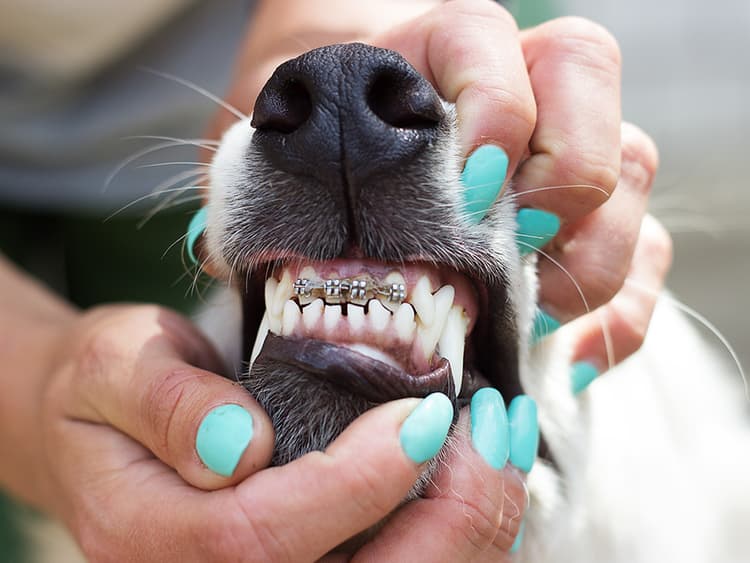
Braces are actually the most gentle way of dealing with your dog’s malocclusion (aka a “bad bite”).

Pet Wellness
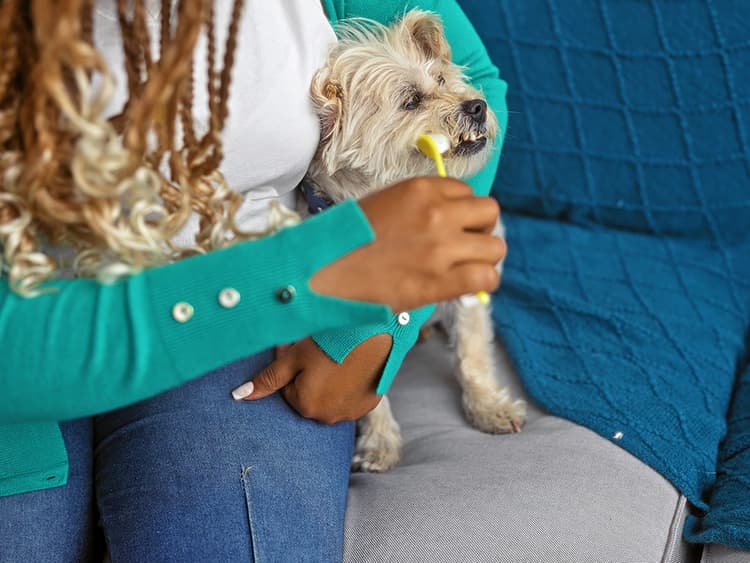
And other tips to make sure your dog’s teeth are as healthy as possible.
Pet Wellness
Real talk: Your pup’s dental health is a necessary expense.
Pet Wellness
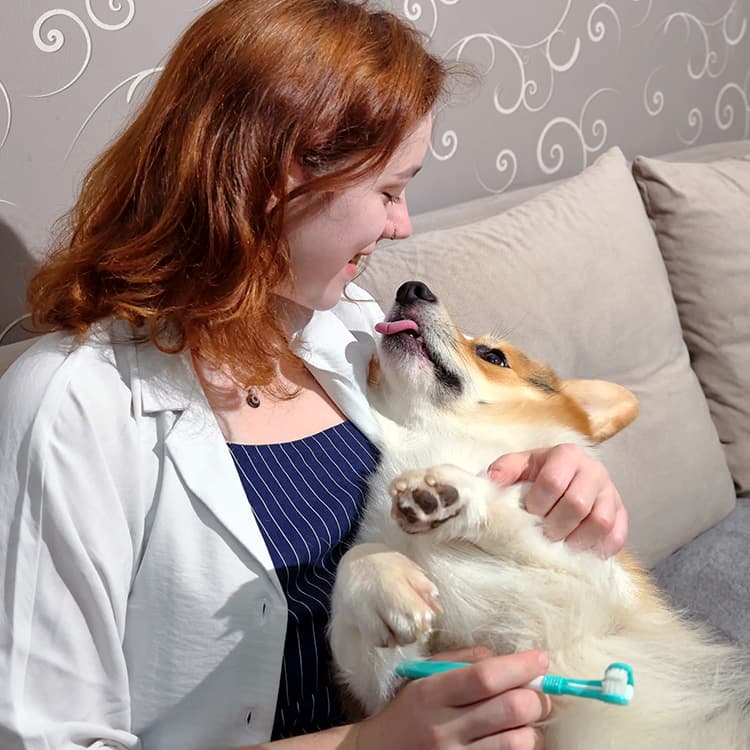
Everything you need to know about dog tarter and dental health.
Pet Wellness
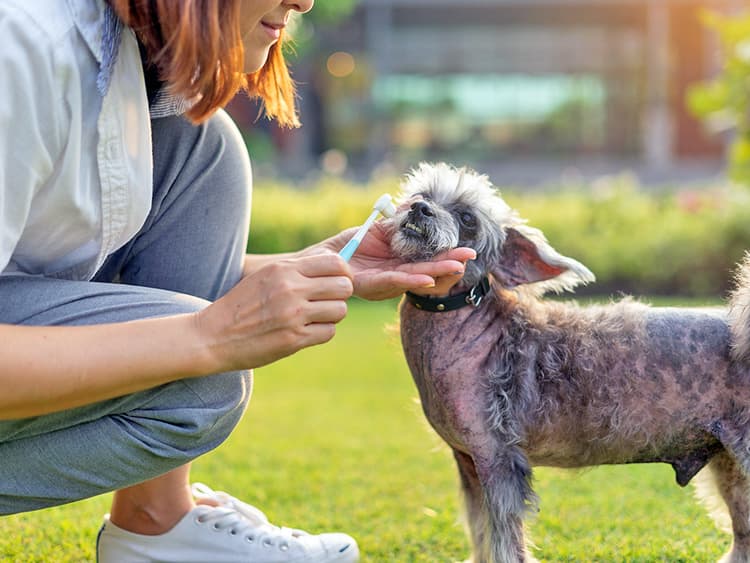
Know the facts before you DIY something like this.