Pet Care Advice: The Ultimate Guide to Raising a Healthy, Happy Pet
From diet to grooming to vet checkups, here is everything you need to know about keeping your pet healthy.
From diet to grooming to vet checkups, here is everything you need to know about keeping your pet healthy.
by Dr. Shelby Neely, DVM, | July 29, 2026

oneinchpunch / Adobe Stock
Good pet care advice centers on prevention and consistency. This includes scheduling routine veterinary care, feeding your pet a balanced diet, providing mental stimulation and exercise, and maintaining a safe home environment. Combined, these practices maintain the long-term physical and emotional well-being of both dogs and cats.
Act early and be prepared: Preventive care for pets is less expensive than treating an illness.
Physical and mental health matter: Physical health needs to be supplemented by mental enrichment.
Routines help: Dogs and cats thrive and feel safer with predictable schedules.
Care doesn’t end in adulthood: Caring for a pet is a lifelong commitment.
It’s exciting to bring home a new cat or dog, but don’t let that excitement mask the fact that this is a serious responsibility. Pets are totally dependent on their pet parents for everything, including food, medical care, emotional support, and safety.
When adopting a new pet, the first few weeks of the adorable puppy or kitten stage can be fun, but be aware of what lies ahead for the rest of their life. Pets can live well over a decade — some breeds live even longer. During that time, they will need veterinary care, balanced nutrition, exercise, and mental enrichment. The most important caveat in good pet-care advice can be boiled down to: Prevention is easier, safer, and less expensive than treatment.
When pet parents focus on prevention such as wellness exams, parasite control, and nutrition, you often can identify health issues early and prevent serious complications. A proactive approach to care can save thousands in medical costs, a great amount of time and emotional stress, and improve a pet’s quality of life. Here are 10 pet care tips to keep your pet healthy.

Boris Jovanovic / Stocksy
Every pet parent’s guide should emphasize that a balanced diet is the foundation of good pet health. Cats and dogs have entirely different nutritional needs, so their diets must be formulated specifically for their species and life stage.
Pet food should meet recognized nutritional standards and consist of high-quality ingredients. Table scraps are not the best thing to feed any pet. They can lead to indigestion or obesity. Some can even be toxic foods for pets.
Fresh water should always be available, and the portion size that you feed your pet should be based on activity level, age, and body condition.
Maria Sbytova / Adobe Stock
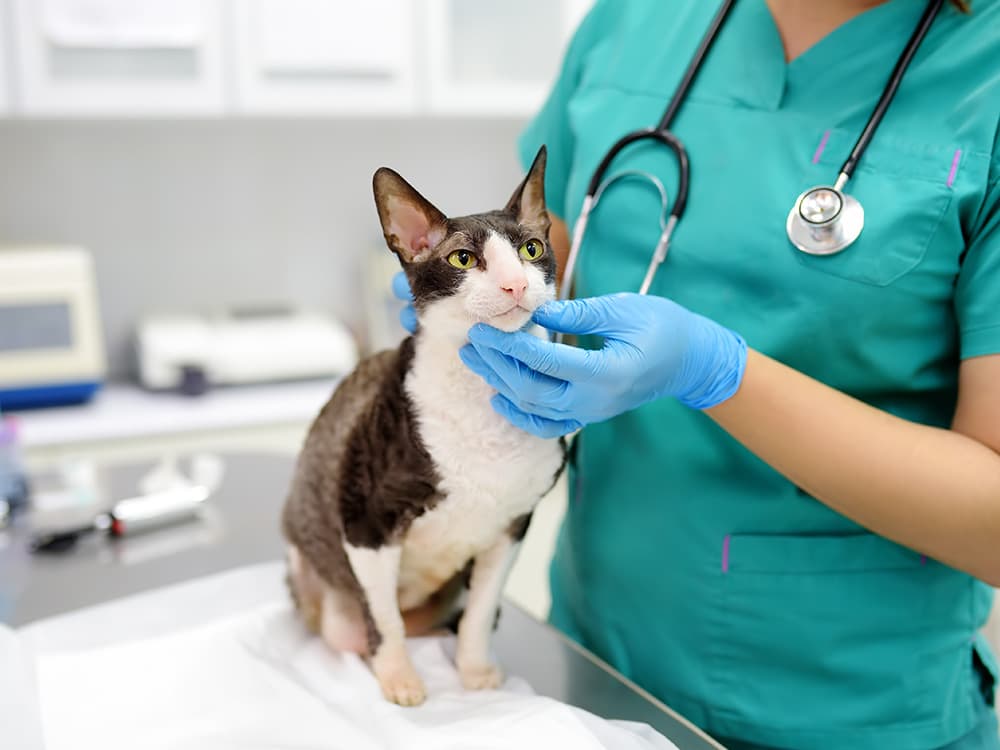
Wellness exams, an essential element of pet care advice, give your veterinarian a chance to diagnose health problems before they become serious. Many diseases have very subtle signs in their early stages and develop gradually. Your vet can catch these problems with a thorough physical exam.
Healthy adult cats and dogs should be examined by a vet at least annually, while puppies, kittens, and senior pets need more frequent visits. A wellness exam can include:
A thorough physical exam
Vaccination updates
Parasite control
Weight and body condition assessment
Dental health evaluation
These routine visits are among the most important things you can do as a responsible pet parent.

Vradiy Art / Stocksy
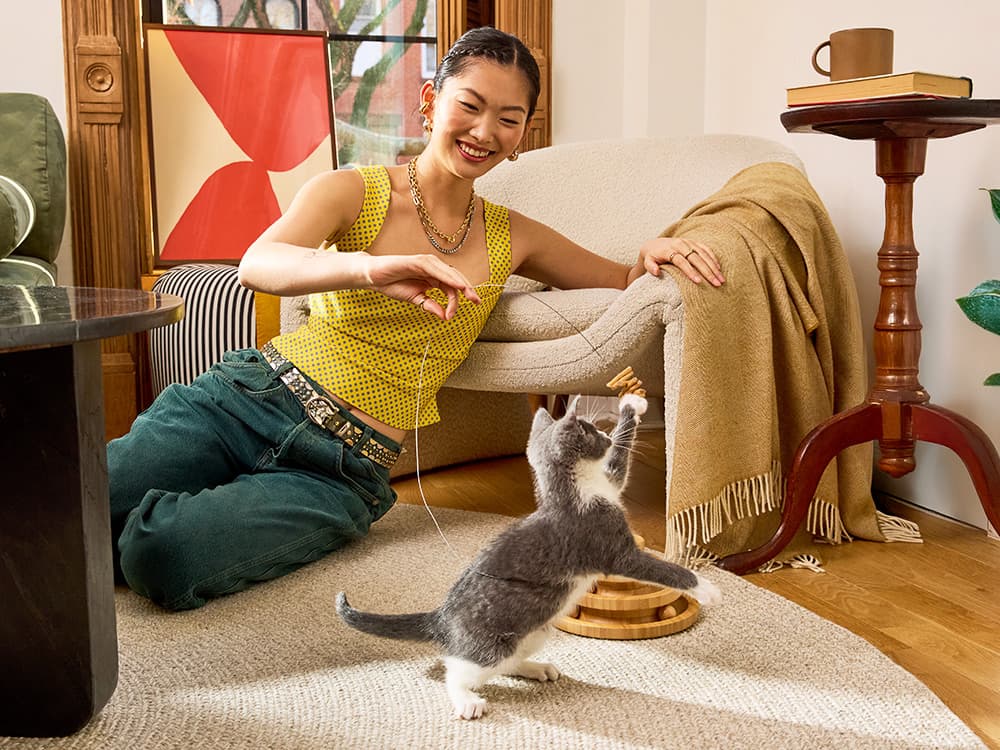
Cats and dogs need mental challenges to be happy. A lack of enrichment can lead to boredom, anxiety, or destructive behavior in pets.
Ways to encourage mental stimulation and environmental enrichment include:
Puzzle feeders or treat-dispensing toys
Sniff tests that let dogs explore scents
Training sessions that teach new cues
Rotating toys
Interactive play sessions
Many pet behavioral issues stem from a lack of stimulation. Providing mental enrichment can also strengthen the bond between pets and pet parents.
Hannah Schwob Wong / Adopt a Pet Creative
Both physical and mental health improve with regular exercise. For dogs, this may look like:
Structured activities, such as agility training
Breed and age will help determine the amount of exercise, but almost all dogs will benefit from some daily activity.
Cat care basics include exercise, too. Both indoor and outdoor cats will thrive from interactive toys such as feather wands, laser pointers, climbing structures, puzzle feeders, or treat-dispensing toys. These encourage a cat’s natural hunting behaviors and help them maintain a healthy weight, strengthen muscles and joints, and reduce stress.
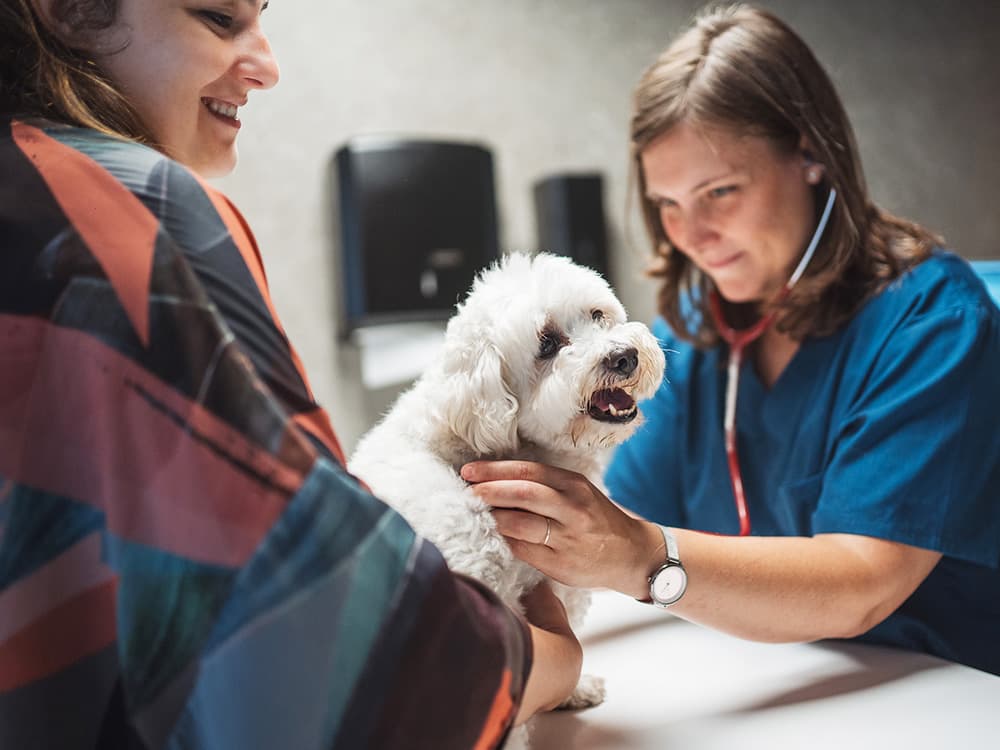
Serious infectious diseases occur if cats and dogs don’t receive vaccines. Dogs usually receive vaccines for distemper, rabies, and parvovirus. Cat vaccines include those for panleukopenia and respiratory viruses, and in most areas, rabies. Outdoor cats also need a feline leukemia inoculation. Adhering to the recommended cat vaccination schedule will keep your kittens and adult cats protected. Additional information about vaccines for dogs and cats is available on the AAHA and AVMA websites.
Likewise, parasite prevention is essential for pets. Fleas, ticks, intestinal worms, and heartworms must be addressed. Not only can they carry diseases that lead to severe health problems for pets, but they may even spread diseases to people. Currently, in most regions, parasite preventatives are recommended year-round.

Aleksei Toropov / Stocksy
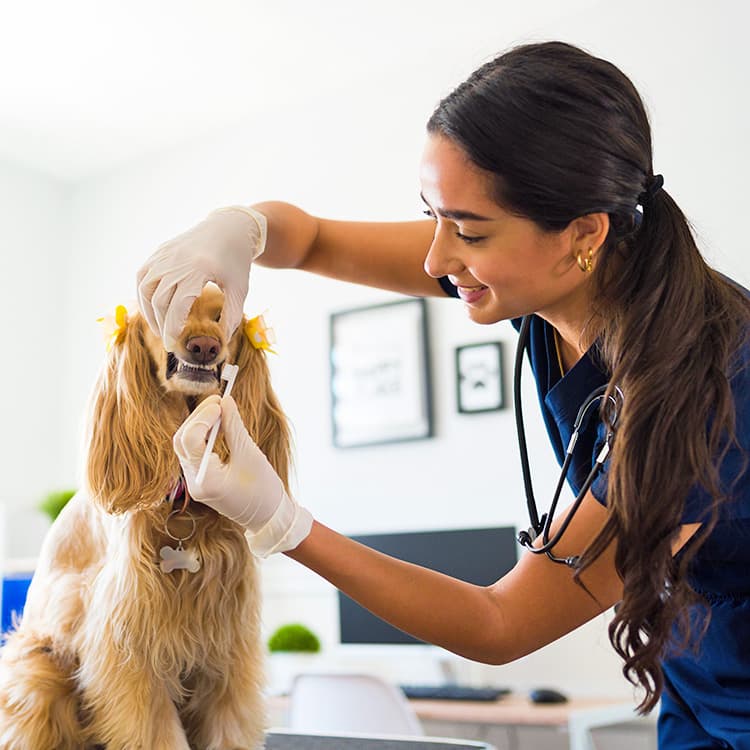
Not only will grooming keep your dog or cat looking tidy, but it’s also an important part of preventative health care. This may include:
Brushing
Nail trimming
Ear cleaning
Bathing
Dental care, such as brushing teeth
Pet care advice would not be complete without emphasizing how common dental disease is in cats and dogs. The very best thing you can do for your pet’s dental health is brush their teeth regularly, as well as have your vet clean their teeth when advised. Dental diets and treats, water additives, and special toys are also available.

Christina Deshomme / Stocksy
A lost pet can be an excruciating experience. The ASPCA and CDC stress that microchipping your pet greatly increases the possibility of being reunited with them. It is easy and inexpensive. They also suggest that your cats and dogs wear ID tags with your current phone numbers on them. The ASPCA offers a service to help reunite lost pets with their parents, ensuring their safe return when they are found. Both organizations play a crucial role in the safety and recovery of lost pets, offering resources, training, and support to help pet parents and professionals locate them.

Laura Stolfi / Stocksy
The advantages of spaying and neutering your pets can’t be overemphasized. These procedures reduce the risk of cancer, help with behavioral problems, and prevent unwanted litters in a world vastly overpopulated with homeless pets.

Alison Winterroth / Stocksy
Practicing healthy habits around pets, such as not smoking, helps keep your pets healthy. Your home should be a safe haven for your pets, where they are protected from preventable injuries and exposure to toxins. Common dangers in the home include:
Cleaning chemicals
Electrical cords
Small objects that could be swallowed
Human medications
Keep hazardous items out of reach, and store chemicals securely. Keeping your home safe for your pets also protects everyone in your household. Good hygiene habits — such as washing your hands after handling your pet’s waste, cleaning food bowls regularly, and keeping litter boxes or outdoor poop areas sanitary — reduce the spread of bacteria and parasites. Also, maintaining a clean environment is critical for preventing zoonotic diseases, which can be transmitted between animals and humans.

valbar STUDIO / Stocksy
Training should be thought of as communication between pets and pet parents, rather than just for obedience. Positive-reinforcement training rewards acceptable behaviors instead of punishing mistakes. This type of training will more likely build trust and help pets learn quickly, while nurturing a strong bond between pets and pet parents. Dogs should, at the very least, have leash manners, recall, and be polite in their interactions with other animals and people.
If you haven’t been a pet parent before, there are a few fundamental things you should understand about your cat or dog.
Pet care advice differs between dogs and cats. T.S. Eliot wrote almost 100 years ago, “a cat is not a dog” in his poem, “The Ad-Dressing of Cats.” Veterinary schools also repeatedly remind students that a cat is not a small dog.
Nowhere is that difference more apparent than in their activity. First-time dog parents need to know that dog tips for beginners include spending more time outdoors and providing more structured exercise. This includes daily walks, training, and social interaction.
A common (if not silly) question with a complicated answer.
Cats, on the other hand, are often described as being independent — a rather offensive term to avid cat lovers. Don’t let that description lead you to think it’s okay for your cat to sleep all the time. They need indoor enrichment, such as scratching posts, climbing spaces, and interactive play, to stay mentally stimulated. You may be surprised to learn that cats can also be trained, but to a lesser extent than dogs. Cats do some training on their own, such as learning to use a litter box.
Nutritional needs are different, too. For example, cats require a higher protein content than dogs and have a strict requirement for taurine (an amino acid) to avoid heart disease.
Grooming differences are fairly obvious. Cats are self-groomers, so there’s very little you ever need to do for them unless they have long hair, which may require more brushing.
As your pet gets older, expenses can change. Planning for unexpected occurrences helps avoid financial stress. Typical costs can include:
Food and treats
Veterinary visits
Vaccinations and preventive medications
Grooming
Emergency care
Caring for senior dogs can be more expensive due to special monitoring, specialized care, and the need for medications.
The following signs indicate your pet needs immediate veterinary attention:
Severe lethargy or collapse
Repeated vomiting or diarrhea
Trouble breathing
Sudden inability to walk
Seizures
Severe pain or crying
Known exposure to poisons or toxins
Early examination by your veterinarian, along with early treatment, can save lives.

It's every pet parent's nightmare — but knowing what happens when you take your dog to the ER can make the experience a little less stressful.
Most healthy adult pets need annual vet visits, while puppies, kittens, and senior pets may require more frequent visits. Puppies and kittens, in particular, should see the vet every few weeks at the beginning of their lives for core vaccines, deworming, and parasite prevention.
Consistency, balanced nutrition, regular exercise, mental enrichment, preventive vet care, and parasite prevention should all be attended to regularly to keep pets healthy.
No. Many human products can be harmful, even life-threatening, to your pet. Always contact a veterinarian before administering any treatment at home.
Ellis, Sarah LH. “Environmental Enrichment: Practical Strategies for Improving Feline Welfare.” Journal of Feline Medicine and Surgery, vol. 11, no. 11, Nov. 2009, pp. 901–912. https://doi.org/10.1016/j.jfms.2009.09.011.
Fascetti, Andrea J. “Nutritional Management and Disease Prevention in Healthy Dogs and Cats.” Revista Brasileira de Zootecnia, vol. 39, no. suppl spe, July 2010, pp. 42–51, https://doi.org/10.1590/s1516-35982010001300006.
“Jaaha.” Kglmeridian.com, 2026, jaaha.kglmeridian.com/view/journals/aaha/59/1/article-p1_b.xml.

Dr. Shelby Neely is a freelance writer and veterinarian who graduated from the University of Pennsylvania School of Veterinary Medicine and has practiced veterinary medicine for 30 years, specializing in small animals. Her work has appeared in Allivet, AsktheCatDoctor, WhiskerDocs, Ask the Cat Doctor Radio, Ask the Cat Doctor TV, and numerous other websites, brochures, newsletters, newspapers, and ebooks. In her spare time, Dr. Neely likes to spend time with her three children, two grandchildren, three cats, two grand-cats, and five grand-dogs.

Adoption Advice

Lifestyle

Pet Wellness
Pet Wellness
Pet insurance is ideal, but there are some other options if you're stuck.
Lifestyle
You may have heard about some dogs who have gone missing.
Pet Wellness
Don’t worry—we’re here to help you decode your confusing policy.


Pet Wellness
Everything you need to know to understand pet insurance plans.

Adoption Advice
Is the responsibility of taking care of your pet causing you to worry about your budget? Rest assured, there are a number of ways to minimize this financial stress.